There’s a unique pain in losing someone we love to alcoholism (or any addiction) because it feels like the thing that took them away from us was a cross between insanity, suicide, and disease.
Insanity, because denial is a primary symptom of alcoholism, the loved one remaining fixated on their next drink in the face of clear evidence that it’s killing them. They insist they’re okay, that we’re being overly dramatic in saying they’ll die, that they’ll definitely drink less in the future.
Suicide, because it is they themselves that administer their poison, they themselves who get it and choose to swallow it again and again.
Disease because, to anyone who knows anything about alcoholism, we can see how they perfectly fit the symptomatology that has killed so many, destroyed so many lives, brought about so much unhappiness and desecration of everything inspiring, wise, or respect-worthy in people with the same condition.
AA works because, when we see OUR OWN symptoms replicated in OTHERS, we begin to realize they are symptoms, not lifestyle choices. And if we’re open-minded, we accept that we’re in the grips of something far more powerful than willpower, resolve, or a slew of solemn oaths.
Those of you who’ve been following this blog more than a decade might recall this post from 2015, when I discovered my boyfriend, who I knew had relapsed, was unfaithful. (Duh…) Those having followed since 2023 might recall this post about his death.
This week, I finally finished a video tribute to him. It’s 15 minutes, very personal, pretty woo-woo, and undeniably mushy. No recipe for how to get sober; just a tragic example of what can happen if we don’t. Remember, after retirement (which he’d looked forward to for all his working life), Gerard drank only beer and believed he was safe.
Despite what I know of Al-Anon, my heart still aches whenever I see his last text asking if we could talk. I said no, and I can’t help wondering whether, had I said yes, I could have magically saved him. I said no because A) I was in an AA meeting, B) my sponsor, who is also my Al-Anon sponsor, was sitting right next to me and, just by her expression, indicated talking to a drunk person would help nothing, and C) I knew it would pain me to hear a loved one I’d respected so deeply slurring his words while sloppy drunk.
But what if? What if I’d said the magic words and changed his course?
It helps me to think of his daughter, who, in her mid-20s, flew four times from Virginia out to Seattle, rented cars, and ferried to his home on remote Whidbey Island, trying again and again to get her dad sober. The two of them were close; she was the apple of his eye. Saying goodbye at the end of her last visit, after he’d refused to go back into treatment, she said, “I’m scared this might be the last time I see you.” He waved aside her words saying, “I’m fine.”
I could not have done more than she did. Only his higher power could have. She and I believe that, having binge-drunk from age 11 when his mother suffered a catastrophic stroke, he damaged his brain in a way that made socializing extra stressful. AA meetings were like running a social gamut, so he could accept no help from his fellows.
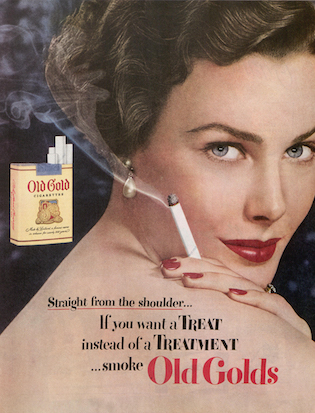
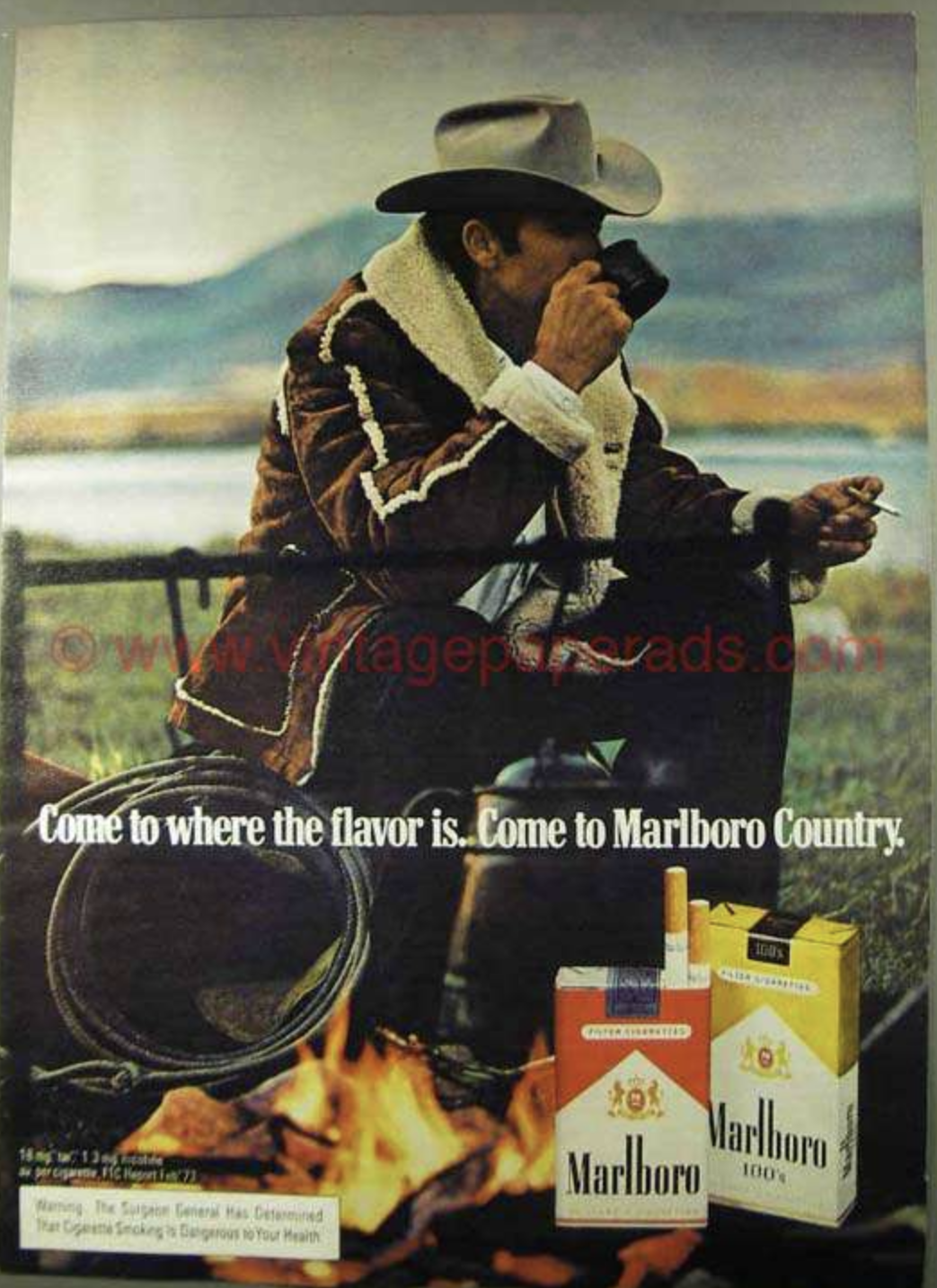
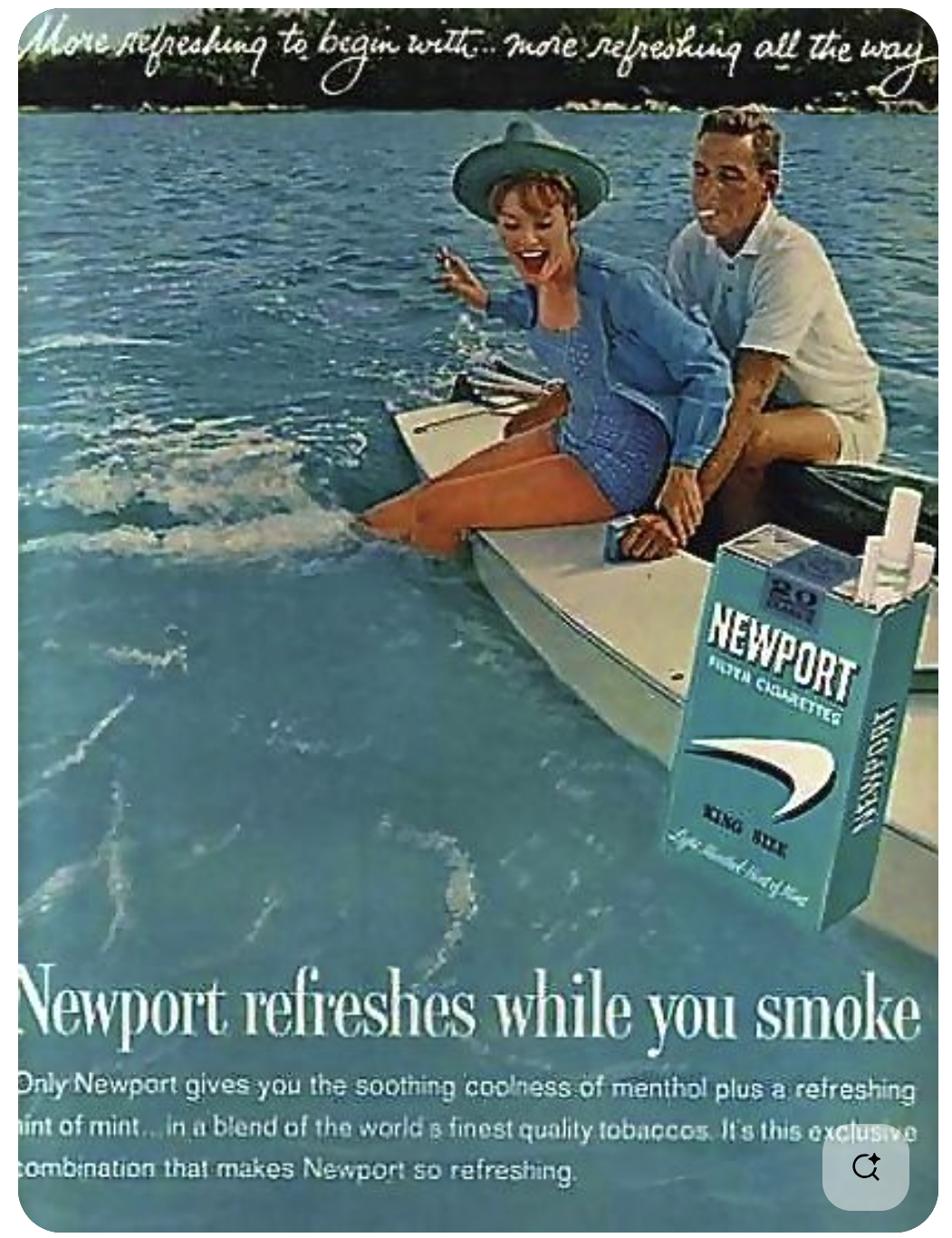
I remember seeing cigarette commercials on TV and filling the pages of magazines, campaigns and jingles pushing a story about the kind of people who smoked their brand. Sexy, fun-loving, country-hearted, independent-minded, or, in the case of the Marlboro man, hyper-masculine loners — all of them could discern a truly superior smoke.
Do you know what these people weren’t? Living organisms fueled by oxygen that was constantly diffused into their bloodstreams through the 0.001 millimeter-thin linings of countless tiny capillaries in their lungs. Drawing nonchalantly on white cylinders, these smokers were cool; none cared a hoot about their 1,400 square feet of lung surface getting sullied and destroyed by toxic, carcinogenic smoke inhalation.
In the 1960s, over 40% of Americans were smokers, as compared to 14% today. Proof of harm has won out over smoking’s romanticized images. Similarly, in the 1970s, 71% of Americans drank. Today, the number is 54%, with 66% of young adults aware that moderate drinking harms one’s health.
Can you see where I’m going with this? Alcohol is following in the footsteps of cigarettes. It’ll take longer and never be 100%, but the days when the general public overlooks the carcinogenic, dementia-inducing, liver-killing properties of this poison in order to “take the edge off” or “whoop it up” are numbered.
I started smoking when I was 17, the same age I discovered drinking to blackout. Each habit in its own way seemed to save me from the awkward pain of being me — an insecure, shame-filled, not-good-enough teen. While a lot of that relief was neurochemical, more of it came from the stories I connected to smoking and drinking. Like a costume or special effects make-up, they made me a tough, devil-may-care, gutsy young woman ready to live on the wild side, or a svelte, sophisticated siren able to charm and impress just about anyone — depending on the setting.
All I had to do was suck stuff down my windpipe and esophagus respectively, and all those glamorous, romantic traits became mine! That is, until my 30s when both quit working. In the end, smoking was automatic, and I felt like a dumb loser just as much drunk as sober.
It took 17 years for me to truly hit bottom with drinking, and another 2 years to quit smoking. I knew I had let both go, and yet in those first few years, I mourned them as lost vices, lost friends, lost indulgences.
I would not have believed – nor do I expect you to if you’re newly sober – that one day I would have zero interest in either. I wish I could drink about as much as I wish I could sniff glue. I long to smoke pot about as much as I long to get Alzheimers. In fact, if I had to choose between hanging with some drunk/stoned people and finding myself in a 4-person bobsled at 80 mph, the choice would be difficult — and only because I suffer from chronic vertigo.
I know a few recovering alcoholics who still envy friends and neighbors who drink. I can’t help but doubt they’ve been fully restored to sanity. How can they imagine booze would grant them ease and comfort, make them more fun, enrich their experience? Today, if someone offered me a pill or injection that would let me drink “normally,” I would laugh. I’d ask, “What’s ‘normal’ about swallowing a carcinogenic, dementia-inducing, liver-killing poison to diminish your level of awareness – in any amount?”
My newly sober self would’ve been pissed to hear this, but today it’s THE 12 STEPS that grant me the ease and comfort of trust in god, my LOVE for self and others that make me more spontaneous and fun, and GRATITUDE that enriches my everyday experience. I’ve traded my once rampant anxiety for the first line of the serenity prayer (serenity to accept the things I cannot change) and the itch of discontent for its second line (courage to change the things I can) because living in the 12 steps has taught me enough of the third line (wisdom to know the difference) to just “relax and take it easy” [p. 86].
A 2024 study found that, in the U.S., more people are using cannabis and THC-infused products daily than are drinking daily. As pot has edged out booze, violent crime rates have been falling, as drinking has long been associated with increased aggression.
Marijuana, however, is no angel drug:
Daily marijuana use raises the risk of stroke by 42% and heart attack by 25%, even if there is no prior history of heart disease and the person has never smoked or vaped tobacco, according to a February 2024 study.
By using cannabis before the age of 25, young people can permanently damage their brains… [CNN]
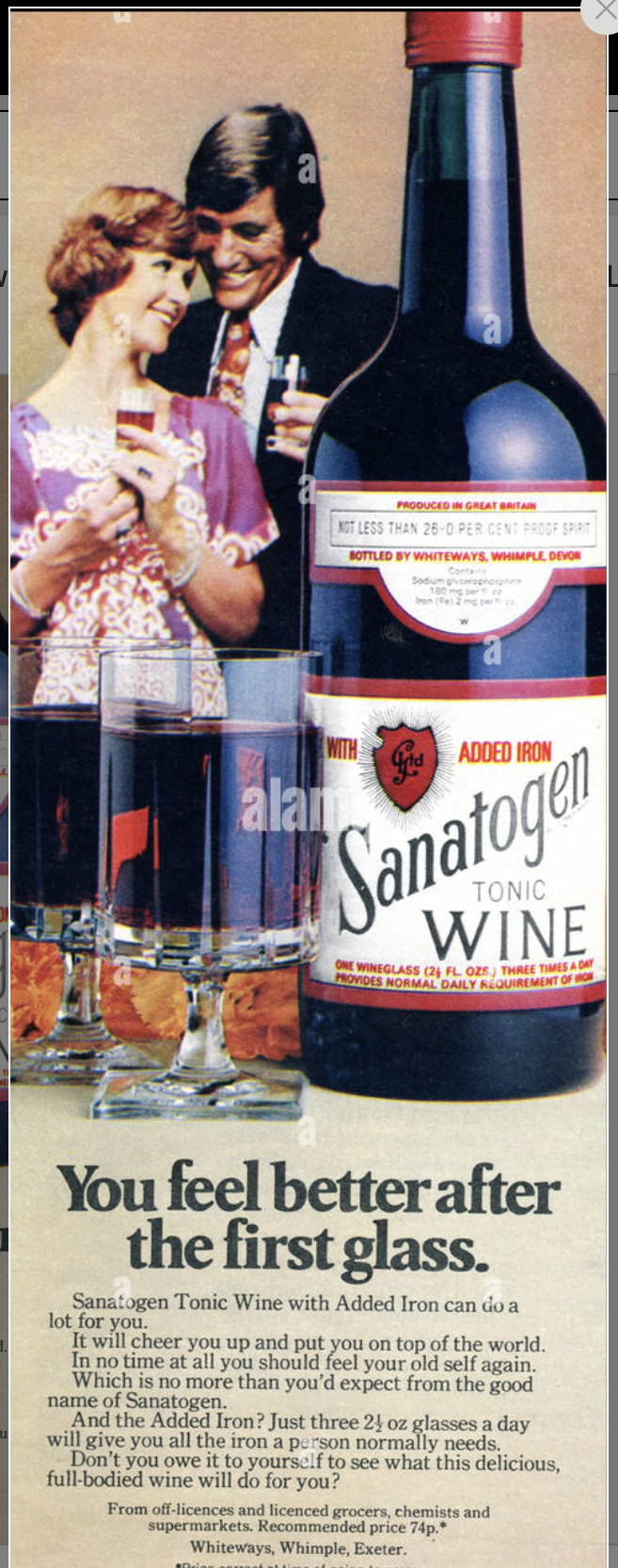
But here’s the biggest difference, I think, between alcohol and pot: Alcohol has been around for so long that it’s deeply ingrained throughout our culture. It’s a substance infused with romantic STORIES of elegance, connoisseurship, rugged individualism, celebration, and romance.
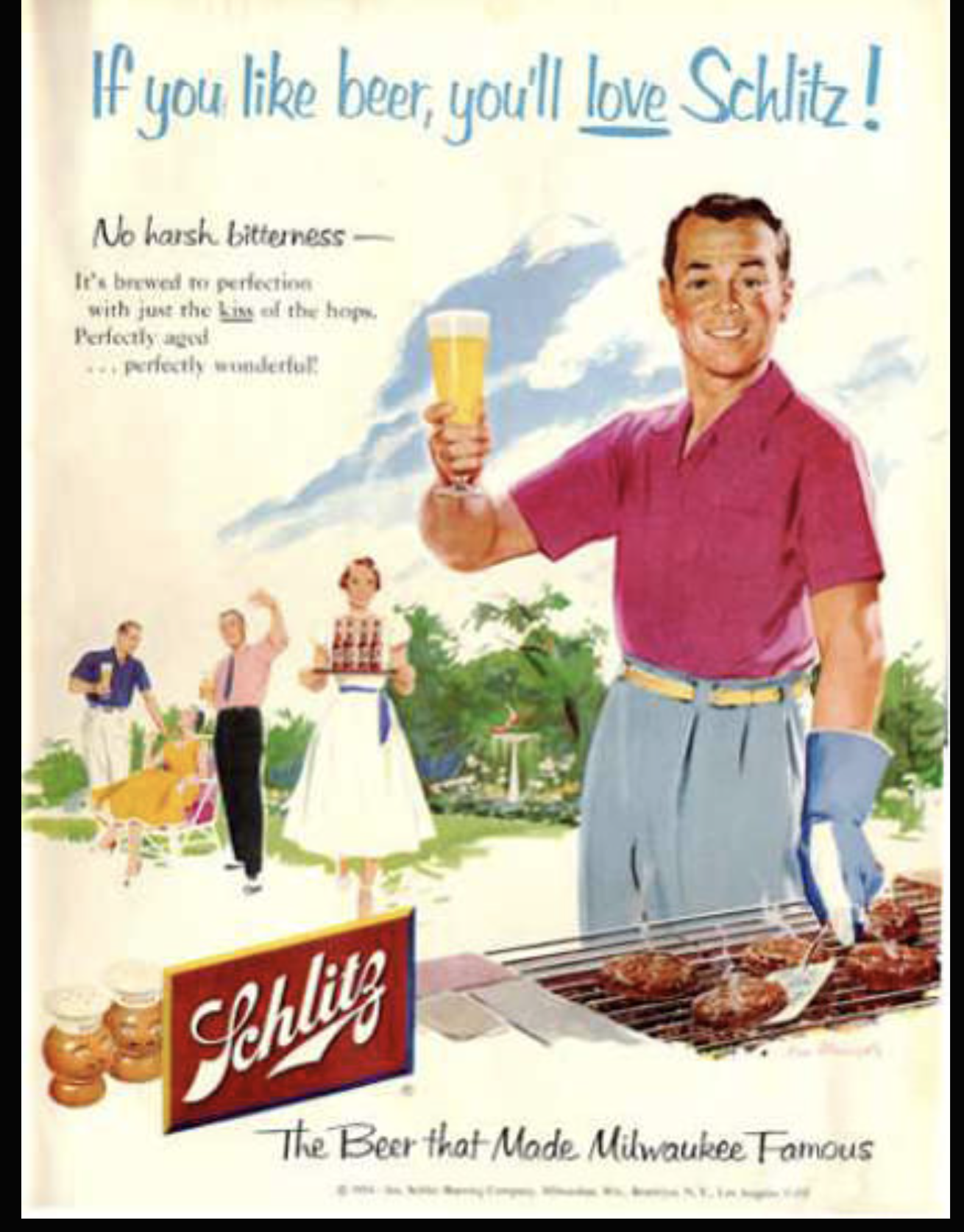
You can plainly see these stories in advertisements no different than the cigarette commercials. Wine “complements” a meal; beer “belongs” at a barbecue; scotch and brandy are “savored” by an evening fire. Pot has no comparable mystique. When people pop a gummy or take a bong hit, they know they’re self-medicating. They don’t pretend the point is instead to enjoy great flavor or cool refreshment or proud, elegant traditions. They’re just straight up chasing a buzz.
Working the 12 steps frees us from the psychic pain that calls for a buzz to vanquish it. And seeing alcohol for what it is – a toxic drug no matter what form it takes – frees us from buying into the stories that glamorize it and convince us that, without alcohol, our lives are missing something. They’re not. Quite the contrary, being truly awake in sobriety opens the door to a richer, fuller, happier life than any neurotoxin – whether in liquid, smoke, or gummy form – can offer.
Yes, life is hard, like a series of hurdles. But every hurdle can inspire us to fly, just for a bit, boosted by the god in our hearts. The more aware we are, the more spring and strength enliven our every leap of faith.
Going to AA meetings and working the 12 steps with a sponsor can transform our lives. But in my experience, having taken the 3rd step involves conceding the fallacies of my own “reflex” thoughts on a daily basis. My mind is still set to certain defaults established in childhood or whenever, and those patterns are frequently, though not always, the first inclinations that come to mind.
Yeah, yeah, as I come up on 30 years’ sobriety (on 1/29), the 11th Step promises have mostly come true. That is, “we find that our thinking will, as time passes, be more and more on the plane of inspiration. We come to rely upon it.” But keep in mind that such reliance is possible only because we’ve made a habit of “ask[ing] God for inspiration, an intuitive thought or decision” (86-7).
In Step 3, I acknowledged that my own brain, when detached from god, is busted. Let’s remember where my own best thinking and determination to seek happiness and thrive on my own terms led me again and again: incomprehensible demoralization, deep despair, and suicidal ideation. Drinking was only one of many great ideas my thinking espoused for how to best navigate life. And it’s STILL busted, my brain. What I’ve “come to rely upon” is guidance from a higher power, not my ego-tainted perspective.
So here I am on my beautiful 5 acres in rural Oregon. Everything my angel foretold has come to pass. Somehow, my city house sold in three weeks – for less than I’d wanted, but within 24 hours of the deadline set in my contingency offer. Naïve about closing costs, I found myself many thousands short of the new house price, but my mother’s estate, which had been hung up in probate for over a year, came through 6 hours before I’d have lost the new house. These are little miracles. In other words, I’m pretty sure I’m where I’m supposed to be, but by none of my own doing — other than moving ahead in faith.
Those of you who’ve moved after age 50 know this shock of not knowing where you are. My mental map of Seattle was incredibly detailed; here, I knew the way from my home to the store, beach, and a few trails.
But that’s where Step 3 comes in. For vague reasons, I felt hesitant to show up at any new AA meetings. I would look them up online, even put them on my calendar with great resolve, but once it got pitch dark out – and I do mean pitch dark – I’d be scared to leave my cozy little house. So I didn’t go to meetings for a month. Not even Zoom ones.
ISOLATING. That’s what I was doing, with my 2 cute dogs, a fireplace, deer outside the window, and coyotes and raccoons I’d sent packing, while I threw myself into UN-packing, putting off AA always just one more week. By grace, I knew this was my alcoholic brain’s will for me, not god’s direction for growth. Meanwhile, my addiction was rubbing its evil hands together in anticipation of a relapse.
So I did what I could: I called a friend from my old home group and confessed all the above. She made me promise I’d go to an AA meeting the next day, so I promised. Then I broke that promise… because yada, yada. But after she texted me, DID YOU GO?? and I had to sheepishly reply NO, my ego, I suppose, got prodded from the other side. I’m supposed to be all wise and shit, but here I was acting like a backassward chickenshit. So the next week, I set out in utter darkness and sheets of rain, relying solely on my high-beams and GPS to get me somewhere. Eight miles later, I walked into a cozy room with a fireplace, Christmas tree, and cushy chairs filled by six fellow alcoholics.
I was home. I was safe. And before I even spoke a word, I was loved.
I thought, “Of course! Of course! How could I have been so timid, so stupid, so gullible as to isolate for over a month?!” But I also knew: fear had taken me offline. Fear had slid me backward into my own reflexes. Louisa’s broken brain had been telling me that staying home alone was playing it safe. It was wrong — as always.
Well, those alcoholics had me download an AA app very that night and recommended three more meetings nearby. I started going, meeting more alcoholics, making new friends, being of service, even going out for coffee! My routine now is three AA and one Al-Anon meeting per week, all in person. For my 30th sobriety birthday, a woman I’d never laid eyes on in November is bringing a homemade carrot cake for the celebration, and everyone’s excited for me.
What’s more, these people possess a mosaic of experiences that mirror everything I’m struggling through. They remember being new here, wanting to isolate, feeling baffled by power outages, wells, and septic systems, and many feel shocked to find themselves at various thresholds of old age. Not only have they told me about gym facilities, parks, trails, garden clubs, community email, and less expensive stores, but at every meeting I hear profound insights that allay my fears and enrich my experience of living.
Pick one.
Whenever I don’t WANT a new sponsee, don’t WANT to drive someone to a meeting, or chair one, or stay after to break down the room, etc., god’s inspiration reminds me how I didn’t WANT to go to AA in the first place, didn’t WANT to get a sponsor, REALLY didn’t WANT to throughly work steps 4 through 9, or to change “everything” about my approach to living. But going against my own thinking has brought me a joyous life I could never have built myself. Day by day, I can either screw it all up by trusting my defaults, or reach beyond them to continue on this amazing spiritual path toward new adventures.
PS: Just for fun… Deer and coyote from inside my house.
Recently a visitor to my AA homegoup shared that at 19 years sober, he’d joined coworkers at a business conference and, since cocktails were free and everyone at his table was ordering, decided to have just one. Six long years later, after losing his job, destroying his marriage, impairing his health, and
Alcoholism only sleeps; 1 drink awakens it
having scrabbled at the brink of sobriety in baffled despair as he fell back again and again into drunkenness, he somehow made it back. Sober again four years as he spoke to us, he’d gained a profound respect for the insanity of alcoholism.
Why does this happen? How can we avoid it?
I myself have never relapsed since my first AA meeting on January 29, 1995, so I cannot speak directly to the inner experience of deciding to drink. Instead, I asked a friend in my homegroup who knows the cycle well to offer you guys some insights. Here is Clark’s story. He left out the trauma of his childhood with a Vietnam vet step-father, but trust me, there was plenty.
“I got my second DUI in back 1982 when I was 19, but I really didn’t want to be sober. I was court ordered to go to AA, so I gave it a half-hearted try, but I wasn’t willing to follow directions. Both my mom and sister were in the program, but I’m incredibly stubborn. I thought, ‘AA is for weak people.’
“By my late 20s, I was making great money. I had a wife and kids, a lakefront home, a speedboat, a Harley, all sorts of toys — and all of it felt meaningless. I was miserable and wanted to kill myself. Booze had quit working. My cousin and best friend were doing heroin, though, so I thought, I’ll try that! In a way, it saved my life; heroin kept me from killing myself; but it also took my addictions to a new level.
“I’ve never officially counted how many times I’ve relapsed, but I’d guess about 20. Every time I was in pain or something bad happened, I’d run back to AA because deep down I knew that was the solution. But again, I wouldn’t follow directions. In 1986 I found crack cocaine, and it completely destroyed my life. I checked myself into treatment and stayed sober about 3 months, but my wife gave me a hard time about being away from home for meetings.
“The main recurring theme of my relapses has been that I forget. I forget how bad things got, and I remember the good times — ’cause there were good times. In 1990, I’d left my wife, stayed up all night smoking crack with a girl I knew from high school, and to get money for more crack we decided to rob a gas station. After I eventually got caught, I went back to AA to avoid jail time. That time, I stayed sober about 6 months, and it was some of my best sobriety up to that point. I actually got a sponsor and cracked open the [Big] Book. But then I met a girl in AA, we were both new, and we got drunk.
“In 1997, I started selling crack myself, but pretty soon I became my own best customer, and before long I ended up in prison. I got clean with my second wife, until she died at 26 giving birth to our daughter. After that, I didn’t even try to get sober for years. I just had too much pain.
“Still, the cycle kept repeating. One thing about relapse, with me anyway: it starts days before I actually take a drink or drug. My thinking gets bad, I’m frustrated about something, in some kind of pain. I wasn’t good at reaching out to people, so I’d convince myself that THIS TIME, things were going to be different! I’d manage it. I’d control it. I’d keep it to weekends.
“This last time, I had a cocaine-induced heart attack, went to the ER, got shocked back to life 6 times, and stayed in a coma for 2 weeks. My poor sister, who is not religious at all, went to the [low-bottom AA hall] and asked them to pray for me. I came out of the coma, but within 2 weeks I was back to drinking and smoking crack. Right about then I got a pretty sizable inheritance, so I proceeded to smoke it — about $500 worth every day. I wanted another heart attack. Dying, I’d not gone to the light, but to a darkness completely painless, and I wanted that again.
“I’d wake up mornings feeling I absolutely could not stand another day. The book talks about ‘the jumping off point’ when we can’t imagine life with or without alcohol. I saw a choice between getting sober and dying, and I chose dying — because I didn’t think I could get sober. I’d tried so many times and failed. I never left my place except to meet the drug dealer in the driveway or to get cash at 7-11. I wasn’t showering; I wasn’t eating. I was a wreck, utterly isolated and alone.
“But… my sister kept coming over. She has 38 years, and we’d always been close. She had me write a will; she made me write a letter to each of my children to explain why I was dying. I could see the pain in her eyes. And I decided, for her sake, I’d give this thing one more try.
“Thank god, two or three days later, it dawned on me that I’d never given AA a fair shot. There’s that line in ‘How it Works’: Those who do not recover are people who cannot or will not completely give themselves to this simple program… That was me. Every time, I’d do a little bit of this and a little bit of that, I’d grudgingly drag myself to 2 or 3 meetings a week, but I’d never given it the whole deal. And this time, I decided to give it the whole deal. And it’s been the difference of night and day.
“I went to 2 or 3 meetings a day for 16 months. After about 90 days, my brain began to clear, and I decided I was going to pray, I was going to get sponsor, and I was going to work the 12 steps out of the book with him. And I did all those things. I’ve prayed every day since. I can’t point to one of those three things because I think they’re all integral, but my life has changed because of that decision. I’m so grateful for what I have today that I keep doing those three things. People I’d known in AA for over 40 years, they always welcomed me back. Given a choice, I wouldn’t pick me as a friend because I was so slippery. But they were always there for me.
Port Angeles
“Today at 2 years and one month sober, my life is completely different. I just got back from an AA Roundup in Port Angeles, and I loved it! I went to meetings, fellowshipped with friends, went out to dinner, walked on the beach. It’s a blast. I’m still kind of shy about making new friends, but I feel I belong.
“I never had a higher power before, but praying and really listening in meetings to how other people were approaching the higher power thing, that opened the door. I have some decidedly un-Christian views (pro-choice, pro-gay rights, etc.) but I’ve found a liberal church where I’m welcome and we don’t talk about those things. Prayer centers me.
“If someone wants to get well, I would say, ‘Give yourself to AA completely. Do the work laid out in the 12 steps.’ Not in your first week! But you can’t keep putting it off, either — working the steps with a good sponsor to the best of your ability.
“My happiness and equanimity are at a level I’ve never had in my life. Ever! I have so much gratitude. Finally being done, having a life that is manageable, friends who care about me, being able to look at myself in the mirror, not feeling like a piece of shit, sleeping good every night. I have a life today that I never could have imagined. I still go to a meeting every day, sometimes two. I walk my little dog — she loves me. I’ve steered away from relationships so far, but I figure when I’m ready, God will give me one.
The first three steps of Alcoholics Anonymous are pure logic:
Step 1: “I can’t” (drink in moderation, manage my life, etc.)
Step 2: “A higher power can” (restore me to sanity)
Therefore
Step 3: “I choose to let it” (by turning my will over to HP)
In Step 2 alone there’s plenty to ruffle our prideful alcoholic feathers, right? Not just the higher power thing, but this insinuation that we’re currently not sane. Hmmph! For years, maybe decades, we’ve defended our passionate reliance on alcohol by assuring everyone, including ourselves, “I’ve got this!” I can remember thinking, “And even if I don’t quite have it, I’m saner than most people.”
Of course I had no clue how insane I was: I wasn’t SANE enough to! Today, however, I can affirm with perfect certainty that I was bat-shit crazy and had been for years. Confusing self-poisoning with self-care on a daily basis was only the tip of the iceberg.
But then there’s that whole “God” thing. Many newcomers choke on the word, so they never really nail down this crucial foundation of Steps 1-3. Religion’s claimed monopoly on spiritual life is largely to blame. It has bamboozled so many into thinking a higher power must involve religion.
Quite the opposite, in my opinion. As Carl Jung observed, “One of the main functions of organized religion is to protect people against a direct experience of God” (emphasis mine). Religion miscasts god/HP as an external authority figure, when in fact god is “living” us 24-7, living the trees and grass and little rolly-poly bugs and bunny wabbits. God loves us all sooooo powerfully that we’re animated by it. That wondrously complex arrangement of hydrogen, oxygen, carbon, and trace elements you see in a cold corpse is inexplicably enervated with god’s love to become… YOU!
God speaks within us, not through any text or religious authority. Disagree if you want, but I guarantee you, no religious authority can keep an alcoholic sober! Only we, waking up to god’s guidance through Step 3, can manage that one day at a time. In fact, the more religion has been forced on someone as a child, the more difficult finding god within can be.
God at work!
My ex-boyfriend recently drank himself to death with beer — Indian Pale Ale, to be exact. He’d gone through detox and treatment to emerge gung-ho sober, but multiple handicaps blocked him from tapping into a power greater than himself. A) He’d been raised Catholic; B) he was left-brained to an extreme, having impaired his brain interconnections with binge drinking as a teen; C) he felt extremely awkward and uncomfortable in socializing, also due to B.
A made him keep reverting to seeing HP as an authority figure; B kept him from feeling his connection (8:00) to everything else, and C kept him from hearing or seeing god through his fellow alcoholics.
Below are his last texts to me. Before you laugh at the ‘Subaru’ thing, recall that while sober this man could carry in his mind the full schematics for a Boeing 787. These texts are crippled with drunkenness because… he was less than a week from dying.
You can imagine how often I weep that I didn’t agree to that last call, as I might’ve if I’d not been sitting right next to my Al-Anon sponsor. But in truth, I didn’t want to witness him in that state, slurring his words, awash in vague emotions, making little sense. It was too painful. Besides, I couldn’t have helped him find his HP any more than you could. A week later, on his 60th birthday, he died of a gastric hemorrhage.
“Do the next right thing” was one of those resonant 3rd Step sayings I heard early on in AA. Strangely, “right” did not equate to “most desired.” It steered me away from what I thought would feel good, make me look good, or bring temporary relief, and toward a deeper sense of right and wrong. **
We all carry that sense within. It’s a feeling in our gut. We often have to quiet the chatter of our thoughts before we can make contact with it, but it’s there. Initially, I grasped only few “next right things” like so many flimsy reeds: go to a meeting; stay out of bars; don’t meander toward the store’s booze section or hang out with users.
Today, though, I have a huge, rich bouquet of next right things to choose from every day: practice gratitude; call a friend (instead of texting); exercise/ hike/ do yoga/ walk the doggies someplace new; do service work or donate; tidy or fix something; meditate; notice beauty; be kind, be kind, be kind.
On my favorite sleep podcast, in a book entitled, The Princess and the Goblin, I recently listened to a description of how a child princess, who has discovered her own magical great, great grandmother in a remote tower of the castle, is led by the grandmother’s wisdom even in her absence. When afraid, she’s supposed to put a ring the grandmother gave her under her pillow and feel with her index finger for a gossamer thin thread connecting the two of them. It’s a perfect metaphor for always being connected to our higher power.
But here’s the cool part. The thread at her fingertip doesn’t just lead to the safety of her grandmother. It leads her deep into the goblin mines, into terrifying pitch darkness, across underground streams and through narrow passageways where she’s filled with doubt and urgent desire to turn back but can’t because the thread leads only forward. To her amazement, it leads her to her friend, a courageous boy the goblins have all but buried in a cavern, shows her the way to free him, and guides them both back to daylight and safety. In fear for herself, she’s led to rescue someone else. While boy insists her idea of “grandmother’s thread” is nonsense (right up til the end when he finds it himself), she trusts it beyond her own thinking.
So, I find, goes life after one makes a solid 3rd Step. We are led forward, often scared, but guided to greater outcomes.
I alone can sense where my “god-consciousness” leads. Many don’t understand why I’m about to move away from this city where I was born 63 years ago — to I don’t even know where. I’ll find out soon enough. I trust my thread. It’s just the next right thing.
.
.
.
** As I describe in myDie-Hard book –> the first two communications I heard from my post-NDE guardian angel, having just driven home horrifically drunk, were: “This is the last time I can help you; you DO know right from wrong!” Hearing him opened space for what has unfolded as 29 years sober.
For so much of my youth, through so much of my active alcoholism, I believed I was supposed to do and be certain ways to be cool. I saw signals everywhere meant to teach me what was expected of me from the sector of society I wanted to emulate.
These signals took on a life of their own in my psyche. They became my own measures of success, and I knocked myself out trying to fulfill them.
My son and me
One of the biggest gifts of having been sober a few decades is freedom from all those supposed-to’s. I can choose the parts of life where I want to push myself, and the parts about which I don’t give a flying duck.
I don’t have to…
Whoop it up on New Year’s Eve. I don’t have to stay up ’til midnight, make a big deal, care whether other people want to. The calendar is arbitrary. All holiday customs are voluntary, and these, which entail mainly consuming liquid neurotoxins and making a lot of noise, get obnoxious pretty easily.
Buy New Stuff. In the hiking & mountaineering world, experienced outdoors people can easily spot the newbies. Their gear is all brand spanking new. New pack. New boots. New puffy. Gleaming ice axe. Through our eyes, they look kind of ridiculous, because we know they
My 1975 VW bus
have little clue what they’re doing. Gear that’s been put to good use shows “cred” — short for credentials. My whole life shows cred, so I feel the same way about my household stuff, clothes, car, etc. It’s been around.
Socialize Competitively. For years, I wanted to be seen at certain events, befriend certain people. Someone somewhere, I imagined, was keeping score of my success. Guess what? Unless you’re unfortunate enough to be in high school, no one is! Today I like whomever I like and love whomever I love. I try to find ways to spend time with the latter — which somehow seems harder since the pandemic.
Emote to Commercial & Social Media. When I was young, for news channels we had ABC, NBC, or CBS, plus PBS / NPR. But that was about it. Today, the entire news industry is chaotic and desperate. It’s snag viewers or die, so most waive bait — inflammatory, bloody, infuriating, and/ or terrifying news bits — before our screen-bound eyes in hopes in hopes of snagging our attention and taking up our time. We don’t have to get caught. Yes, truly horrific things are happening in Ukraine and Gaza, but all we have the power to DO is pray and donate what we can.
Act My Age – I know who I am better than the calendar does.
Date – What a waste of time!
Pretend I’m Always Serene – Life is joyful AND difficult.
Avoid Sugar – Pick your vices; this is mine!
Clean When No One’s Coming Over – “God, I wish I’d cleaned more!” said no one on their deathbed ever.
NOT an alcoholic, my mom died about a month ago at 97. Residents in the assisted living facility where she’d spent her last year insisted on holding a memorial service for her. It was attended by about 40 people — everyone recalling how she’d touched their lives with her humor and knowledge. My sister and brother-in-law presented a beautiful slide show of Mom’s life – travels abroad, outings in nature, parenthood, family and friends. Without question, hers was a life well lived. (Mom’s blog is here.)
Vassar graduation 1946, honeymoon on Appalachian Trail (stick selfie), watercoloring at 96
Definitely an alcoholic, my dear ex-boyfriend also died two months ago. He collapsed on his 60th birthday from a GI tract hemorrhage and bled to death alone. For some of you, 60 may seem old — but it’s not. I myself am 63, and when I think of all the living my mom packed into the last 37 years of her life, I feel the waste, the loss, the tragedy of an alcoholic death.
I can say “my dear ex” because I loved him — just not the disease that altered his behavior once he relapsed. Alcoholism did to him the same thing it did to me in my 14 years of drinking. At first I was tipsy most nights, then drunk every night, then bumping up Happy Hour earlier and earlier: by the end, noon seemed fine. In the same proportion, my morals declined. I lied. I emotionally cheated on partners. My selfishness grew like a tumor around my heart, blotting out whatever love it could still generate.
So I understand why my ex lied to me. I understand why he cheated, first during work travels and later with a pudgy alcoholic girl who spent nights at his house on the weekends I spent with my young son. I have no doubt that, beneath that tangle of deceit, selfishness, and relentless pursuit of pleasure that dominated his thinking was the sweet, shy man I’d fallen in love with. But for the past 8 years I communicated minimally, texting only at birthdays and New Years, because he was toxic.
Back when we were together, he was always talking about how he couldn’t wait to retire and start doing whatever he wanted to do. But here’s what happened once he actually retired in 2021; he started doing what alcoholism wanted him to do: Drink.
In 2022 when his sisters met him for coffee, they found him rail thin and shaking. His sister called me and brought me onboard along with his daughter for an intervention. He went to detox and treatment for 30 days. He got better. For three months afterwards, he stayed sober.
But then came the insidious insanity of the first drink. At a convenience store where he was buying cigarettes, the person in front of him bought some kind of Budweiser beer & tomato juice combo he’d never tried. He told himself the tomato juice would dilute the beer enough that he’d be okay. (And if THAT doesn’t sound familiar, you should review “More About Alcoholism” p.36.)
So he was off again, no brakes, no meetings, no prayers. When we texted two weeks before his death, he told me he could not find a higher power or a sufficient substitute. He asked if he could call me, but I was, ironically enough, in my AA homegroup meeting, so I said maybe later. That was the last I’d ever hear from him (on this physical plane, at least).
Drinking only beer, albeit high-alcohol Indian Pale Ale, couldn’t hurt him much, he assumed, but he fainted from a ruptured GI blood vessel — a common danger for heavy drinkers — and bled out. When he failed to answer any of our birthday texts, his sister had a sheriff make a wellness call. Whoever removed the body also removed a six-foot square of carpet surrounding it.
It’s so sad!
Glacier NP thru-hike
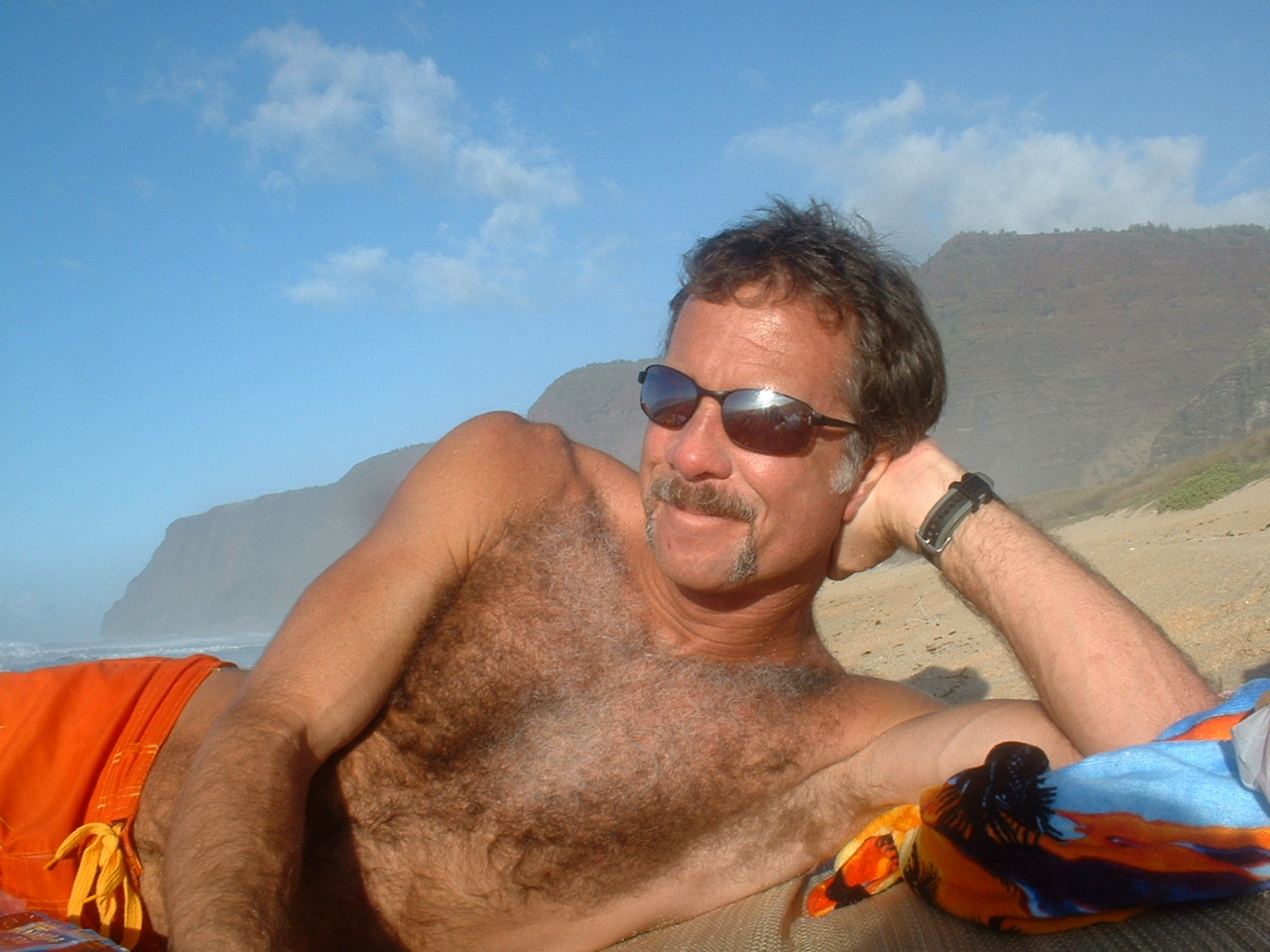
Hawaii
Stuck in tent in rain
Was on his mantlepiece
Sperry Glacier
Summit Mt. Baker
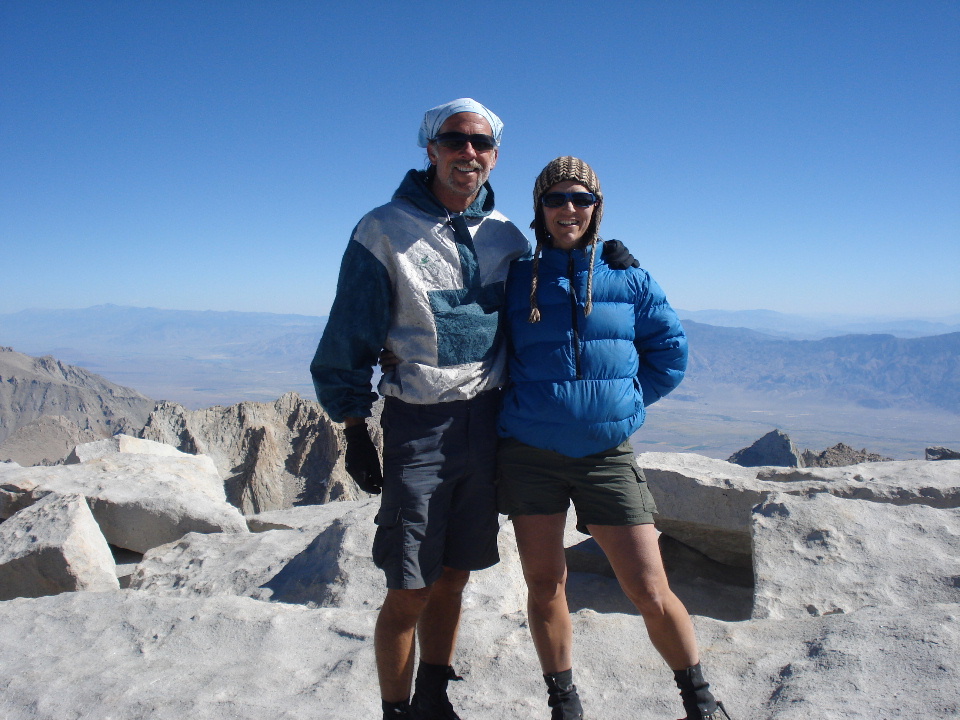
Summit Mt. Whitney
Feather in his cap
My ex, whom I’ll call G., was born a middle child. When he and his sisters were 8, 11, and 13 respectively, their mother, a warm, loving Irishwoman who fed the family mainly from their garden and domestic goats, suffered a stroke that left her half paralyzed and totally aphasic (i.e. dumb). Their Type-A father merely divvied up among the children all the chores their mother had performed and soon moved the family to town — no mourning allowed, no counseling, no talking about feelings. In fact, G. was certain his father shot his dog the a few days before they moved. “Musta run off” was all he told 12-year-old G when his beloved Cool McCool failed to show up at the school bus stop as he’d always done to walk G home.
G. learned to drink. He found ways to get the the money for it, mainly trapping animals for their pelts, and to keep his pain at bay he stayed drunk throughout his teens. As soon as his mother regained an ability to express herself, she stopped the killing of animals. But his daily drinking and the deep loss that drove it — those she remained powerless to touch.
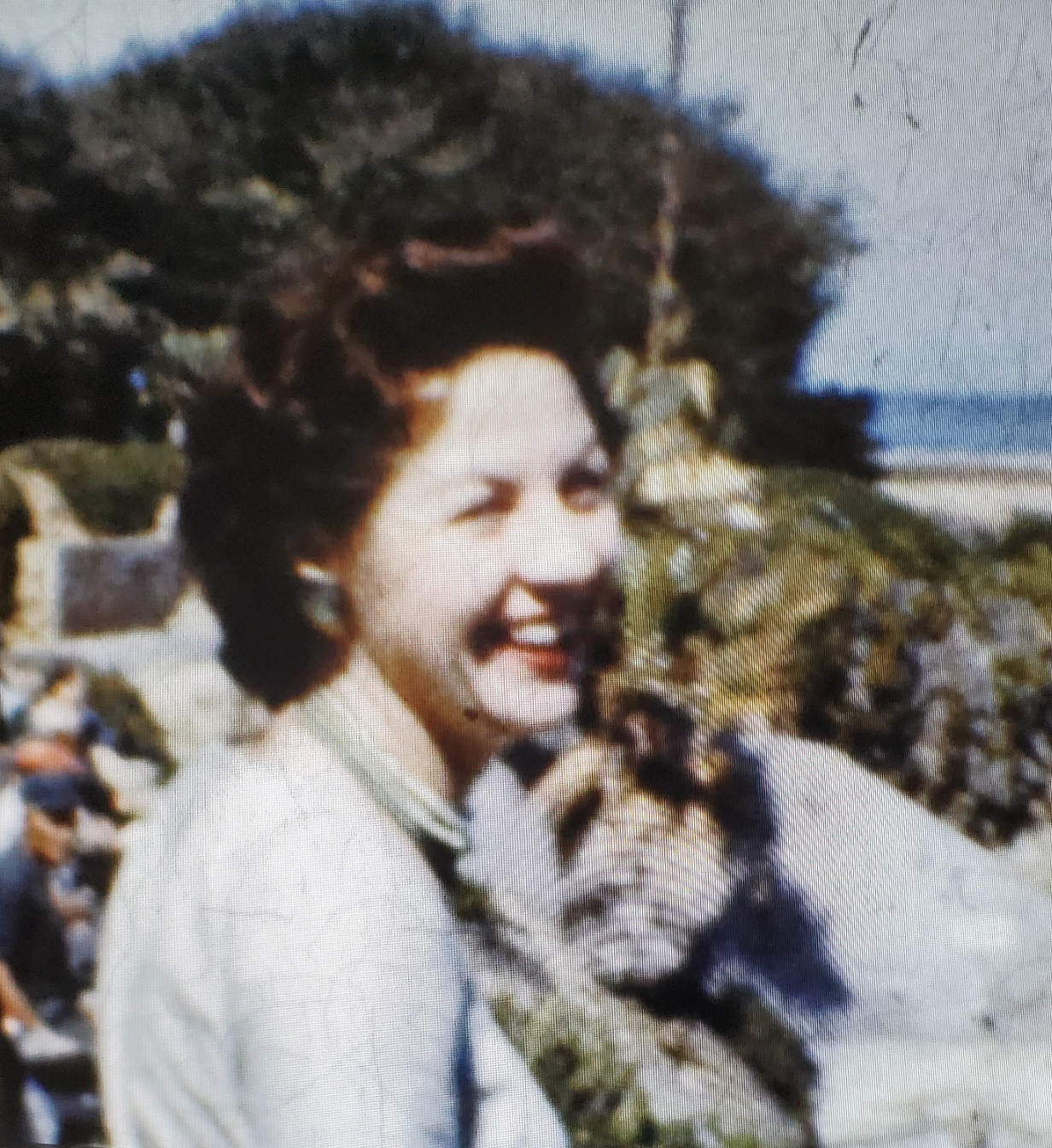
G’s mother before her stroke
G as a boy
When I met a 43-year-old G in my sober hiking group, One Step at a Time (OSAT), his wife had kicked him out for drinking and his license was suspended after a third DUI. Neither is uncommon for a recovering alcoholic, so I assumed his boozing days lay behind him.
We shared five intense years while he was sober and a few sort of okay ones after his relapse. Most of the high points of my life came during adventures with G., thru-hiking first in Glacier National Park, then along the PCT, especially the John Muir Trail. We rode our bicycles 1,000 miles from Port Townsend to San Francisco. We took a ferry to Alaska so he could bicycle home through the Canadian Rockies.
I loved him despite his being on the autism spectrum. Because he had trouble conversing with others, I felt from him that strange authenticity of those who simply can’t pull off affectation. He was earnest. But that same acute shyness teamed up with his lifelong history of drinking to alienate him from the AA solution, even when he truly wanted it. We need fellowship and service, but he couldn’t connect with a group. Instead he isolated in his rural home, he and his dog Miley.
I know he is finally free now, having at last shed the pain of his childhood. He’s with his sweet mom and his loyal Cool McCool. I miss having both my mother and G. on the planet, but I know my mom, despite her own difficult childhood, enjoyed a long, full life, whereas I mourn the precious decades stolen from my onetime sweetheart.
Last week at my home group, I noted a difference that sometimes arises in AA. Our group is a tight family. Some have only a few years’ sober, but more of us have 25+. Anyway, the person chairing, having lived sober through 30 years of joys and deaths, boons and losses, chose a meeting topic of authenticity in friendships.
Here’s why. They’d made an off-color joke among a group of friends. One friend went ballistic without bounds, ripping them a whole new ass…assination of character in front of the others. Our chairperson instantly apologized for any pain they’d caused and, reading the room, departed to allow their friend space. But now they felt their trust hurt beyond healing.
Here was their dilemma: their AA sponsor maintained that they’d already cleaned up their side of the street, owed no further amends, and could choose whether to reinvest in the friendship. But another friend, not in AA, said they ought to meet with the explosive friend and tell her how that outburst made them feel.
Which was the right course? How do we navigate our continuing journey of sobriety to keep growing toward what our higher power would have us be — i.e. toward our full potential in emotional sobriety?
The group picked up the question and ran with it. Everyone had relationship issues — with friends, partners, and relatives — to share about. Almost everyone. The thwarted expectations issue arose when a visitor from out of town spoke up. He said essentially, “I don’t care whether I talk to friends honestly or not! All I care about is whether I take a drink over it. I come to these meetings to learn how not to do that TODAY — not how to dance around in relationships!”
He had a few years but, clearly, just not drinking was still a struggle.
This is an issue. Aside from meetings specifically named BEGINNERS, AA generally takes a one-size fits all approach. Our Singleness of Purpose, clearly outlined in Traditions 3 and 5, runs like this: “The only requirement for membership is a desire to stop drinking” and “Each group has but one primary purpose – to carry its message to the alcoholic who still suffers.”
But… define “suffers.”
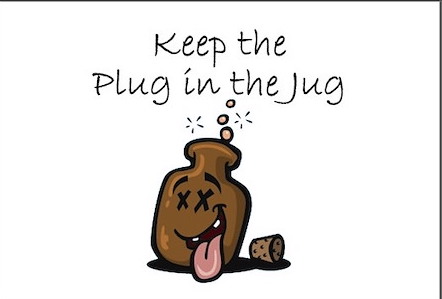
Plug-in-the-jugging is not enough for a happy life. Rather, most of AA is about ferreting out the defects of character that lead us away from our higher power and toward isolation, resentment, depression, and “a thousand forms of fear” — conditions ripe for the ego and addictive drive. Relationships test the mettle of our recovery. Emotional sobriety comes down to an ability to recognize our character defects and cope with them in constructive ways. Is it more constructive to routinely zip our lips or to show up honestly with our emotions, personalities, and vulnerabilities, sharing who we are à la Brené Brown?
During the 1980s, John Welwood coined the term “spiritual bypassing” to mean, in simple terms, trying to be so “spiritual” that you ignore whatever emotions you’re feeling. Any negative feelings get dismissed as “attachment.” Welwood was speaking in a Buddhist context, but boysee! Do his words ever apply to AA! For instance, I’ve known people who throw themselves into gobs of service work, go to jillions of meetings per week, and work with dozens of sponsees — all so they won’t have to FEEL the pain nipping constantly at their heels. They try to guilt others into following their path, a stance I like to call “competitive sobriety.”
In my first 10 years, I used to worship such people, considering them AA sages. In my next 10, I’d get resentful at them, feeling I had to make excuses for NOT doing likewise. But as I wrap up my third decade of sobriety, meetings, and stepwork, my attitude is a mix of compassion and live-and-let-live. I know they have pain that won’t let up, and I understand that this solution helps them. It must help, or they wouldn’t do it. Myself, I’d rather stick my head in a flaming bucket of shit than sit through General Service meetings. It’s terrible, but it’s true.
So I don’t practice competitive sobriety but, somewhere beneath my own radar, I DO practice spiritual bypassing. I keep my side of the street clean no matter what — whether it makes me become a doormat, tolerate rudeness, or pretend to agree with values I dislike. I look like I’ve achieved emotional sobriety, but it’s a sham — more like emotional constipation.
What spiritual bypassing boils down to is dishonesty — with myself and others — leading to a lack of boundaries. I discover my false tactic only once the pain load reaches such a pitch that I have to take action: “If someone keeps running over your foot with a lawnmower, it’s up to you to move your foot.” That’s one of my favorite sayings, and yet I’ll leave my foot in their path for years! “No, no, it doesn’t hurt much! It’s just a little blood! Just a toe I wasn’t using! After all, they have a perfect right to mow!”
Spiritual pride tells me I’d be too “unspiritual” if I said what I actually think and feel. Too unspiritual if I showed up as myself. Too petty, judgmental, wave-making, or self-centered in telling others “Here are my feelings” or admitting to myself “This isn’t working.” In fact, by pretending everything’s fine, I’m harming everyone involved.
Recently, my pain reached such a pitch that I finally moved my foot. I’ve spoken about the situation with my sponsor and a few uninvolved confidants. But for me, it was wonderful that our chair opened up this question of finding the fine line between kindness and authenticity. This is where the rubber meets the road for me today, the area where I’m most uncomfortably growing.
I hope the out-of-town guy could glean that eventually Honesty, Open-mindedness, and Willingness lead us far beyond just not drinking. “Our liquor was but a symptom. So we had to get down to causes and conditions” (How it Works). Turns out, of course, that dislodging each cause reveals a deeper cause beneath: onion layers. Insight by insight, we keep learning how to live a little bit better, until we run out of time.
I recorded this on my phone last night — and I’m really glad I did. Speech / elocution-wise, I learned that I’m too shrill and often speak too fast to be understood, so I can work on toning both those things down. Content-wise, I hope some of you might get something useful from it. Plans to time myself were technologically foiled, so I was shocked when the moderator held up 10 fingers, and the end is hella rushed. But I guess that’s how it was meant to be.
A few years ago, my friend Rob, a “purebred” alcoholic sober nearly a decade, injured his elbow and was prescribed Vicodin. In mere weeks he became addicted to opioids and, after a few years, died. Another friend, an engineer with decades of sobriety, likewise hurt his elbow. He, too, was prescribed pain medicine, left his life to chase street drugs for months, but by the grace of god did not die.
What we as alcoholic addicts can never forget is that our brains have a haywire switch. No matter how certain our rational minds are about “not liking pills” or “using only as prescribed,” our addict remains crouched in the back of our minds saying, “Right! You’ve got this!” until the moment it clinches control and says, “Ha! I’ve got YOU, bitch, and we’re on a run!” I can’t emphasize enough the degree of respect for this demon every alcoholic addict needs.
“You’re fine! No worries!”
Last Thursday, a surgeon sliced open my hip crease, popped the ball outta the socket, sawed off the end of that femur, and commenced building me a new hip. That’s a graphic way of saying I underwent an anterior hip replacement. When I came to, I felt wonderful! In fact, I had a moment of intense spiritual clarity — see below — before things got cloudy.
I have no partner, my son’s away at college, my mom is hella old, siblings either distant or dealing with their own ailments. My main “family” is AA, but I have other circles as well. My friend Keira came to get me 30 minutes after surgery. She’s a chemo nurse, at home in medical settings. When the nurse discharging me noted that, per my request, I’d be prescribed only Tramadol — not Oxycodone — Keira interrupted. To me she said, “Dude, they just sawed through your femur. Get the Oxy. If you don’t need it, you don’t have to take it.”
An hour later in the Safeway the parking lot, my entire thigh was !!!SCREAMING!!! as if someone had … well, just sawed through it. Keira was inside trying to get me the Oxy before the pharmacy took a lunch break. I was doing controlled breathing, shaking like mad, pressing down the panic that wanted to explode as my pain flared higher and higher.
At last Keira opened the driver’s side door. She had the Oxy. Thank god. About 10 minutes later, I could speak again in a normal voice. The pain was managed.
That’s what such drugs are for.
Over the 27 years I’ve been sober, I’ve gotten super comfortable with full-on reality. What used to seem an onslaught of jarring, demanding impressions is now just the flow of what’s happening. I knew this before my surgery. What I didn’t know until the following day was that the converse has also become true: I’m now super UN-comfortable with being fucked up.
Isn’t that crazy? What would Pink Floyd, who wrote “Comfortably Numb,” think of that? Could 34-year-old Louisa, who in 1995 lived for her daily booze and drugs, have even imagined such a mindset?
I was staying with Keira’s family for three nights. On Day 2, Friday, she invited our friend Sarah over for a card table dinner in the room next to mine. I was excited! Both these friends live an hour away from me, so I don’t get to see either as much as I’d like, let alone both together. We three are the Bikini Bitches. We climb glacial mountains and take silly Bikini Bitch photos at the summits, clean, sober, & livin’ large. That’s us.
Mount Daniel ’19
Mount Baker ’18
Ruth Mountain ’21
I wanted to be fully PRESENT for this little reunion, but I also needed to sit at the table, so I took a Tramadol instead of Oxycodone. That shit may be one-sixth as strong as Oxy, but it messed me up, hit me like a wave of blur! Sarah showed up and we all sat down together, but my mind was goofing around on some mayonnaise slip n’ slide. I remember looking at my friends and thinking, I want to BE here! Again and again I struggled to focus, but I couldn’t think of words or keep track of most ideas long enough to speak them.
Every now and then, they’d look at each other. I remember Keira saying with an accepting shrug, “She’s fucked up.”
I wanted OUT of my fucked-upness as badly as I used to want OUT of full-on, clear consciousness. My friends were there, and I was MISSING it! But I could do nothing to get my sharpness back. I was half-drowned in stupidity.
On Day 3, my son surprised me by driving 6 hours across the state, using my shared location to find Keira’s house, and then phoning to say, “Mom, can you look out the window?” Such a sweet boy! Sunday, after he’d driven me home, he set up our house so I could live downstairs alone.
He also hid all my meds.
Yup. The Oxy he divvied into stashes — 2 pills, 6 pills, and the rest of the bottle — then found hiding places for them and the Tramadol. I had my ibuprofen and Tylenol. If I needed something stronger, I could call him. My son understands. He grew up around sober friends we’ve since lost to addiction, prescribed or otherwise. He mourns them, and he loves me.
As it turned out, I did need to call him. My stomach rejected the ibuprofen AGAIN and, after I caught my crutch on a gate while letting my chickens out, I stumbled and re-injured my leg, which brought on a 99.5 º fever and heightened pain. “Look in the drone box on my desk,” he told me. And there were two Oxy, right under my nose! For two nights, they controlled the pain enough to let me sleep, but I think I’m done now. I don’t need to ask for more.
What protects me from hunting for those meds is not my will. Addiction’s kryptonite is connection: love, community, and gratitude. An AA friend is coming over today to move my stuff back upstairs. Another will come tomorrow to spot me while I take a (much-needed!!) shower. Neighbors have mastered my chicken routines, gifted me a thermometer, and picked up my new anti-inflammatory meds. My dogs have gone for walks every day — 6 days in a row — with different people. Today they have a play date with the dogs of a former student of mine from 15 years back.
Here is the image I was shown when I first came out of the anesthetic, before my brain came back online to block spiritual knowing. First, I had to remember what I was doing: I recalled, “Oh, yeah, I’m doing that Louisa business!” Then, on the strip of wall in front of me above a window to the nurses’ station, I saw my life as Louisa. It was a circle at the center of a ring of smaller circles, connected by radiating lines that I understood went two ways. These were all the lives mine touches, all the people connected to me whether remotely or in person. Lean into this, my angel told me. There was more, but I’ll save that for another post.
I thought, “Wow! That wall is so awesome! I’ve got to tell the staff to put some pictures up there for people who maybe don’t have visions!” Then everything went cloudy, and I don’t remember much.
I’m on a mission here in this Louisa suit to share love and kindness. So are you. But the flipside is, we can give others a chance to do the same.
Int'l Book Awards Finalist 2024 - Spirituality. How thisblog'sauthor resolved to dismiss her Near-Death Experience but ended up transformed by her spirit guide. $4.95 Kindle $14.95 book https://www.amazon.com/dp/B0CFZF1GK
Blog Stats
618,787 views
Join 730 other subscribers
Help support this Blog? Thanks!
Maintaining this resource for alcoholics/addicts costs me $130/yr.
Kindle $4.95 - Paperback $13.95 - click here
(It's lo-ong, sorta like a 10-hr speaker's mtg)












 I heard early on in AA. Strangely, “right” did not equate to “most desired.” It steered me away from what I thought would feel good, make me look good, or bring temporary relief, and toward a deeper sense of right and wrong. **









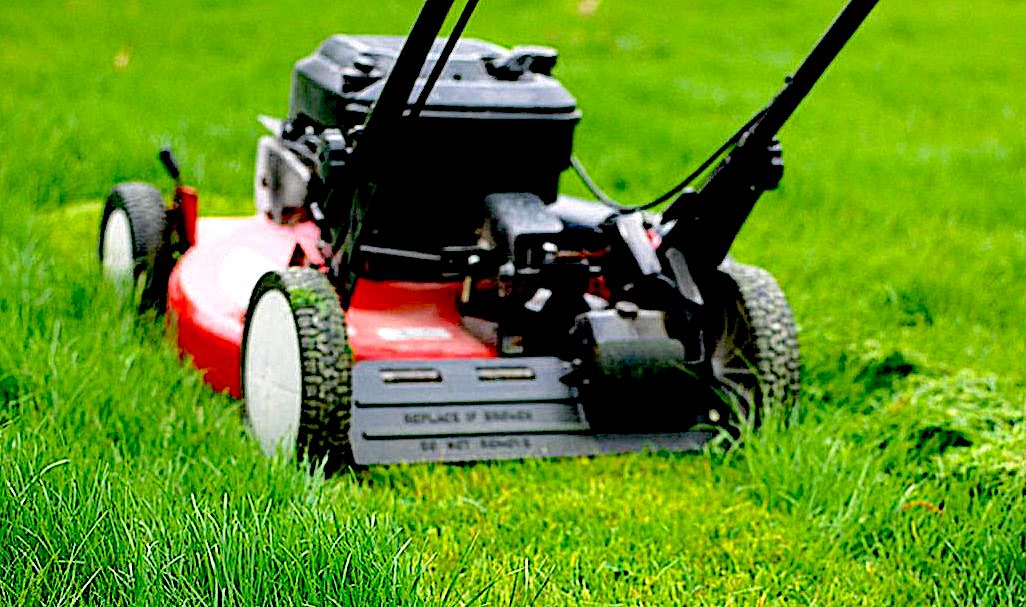 and others — leading to a lack of boundaries. I discover my false tactic only once the pain load reaches such a pitch that I have to take action: “If someone keeps running over your foot with a lawnmower, it’s up to you to move your foot.” That’s one of my favorite sayings, and yet I’ll leave my foot in their path for years! “No, no, it doesn’t hurt much! It’s just a little blood! Just a toe I wasn’t using! After all, they have a perfect right to mow!”
 Spiritual pride tells me I’d be too “unspiritual” if I said what I actually think and feel. Too unspiritual if I showed up as myself. Too petty, judgmental, wave-making, or self-centered in telling others “Here are my feelings” or admitting to myself “This isn’t working.” In fact, by pretending everything’s fine, I’m harming everyone involved.
 as if someone had … well, just sawed through it. Keira was inside trying to get me the Oxy before the pharmacy took a lunch break. I was doing controlled breathing, shaking like mad, pressing down the panic that wanted to explode as my pain flared higher and higher.




 A Spiritual Evolution