
Suppose I give you an algorithm to figure out whether or not you’re a normal drinker. I tell you to take the number of drinks you’d consume on an average Tuesday, multiply it by a rough estimate of times you’ve “had too much” and divide that by the number of drinks that would qualify as a “binge” for you; next add the number of times you’ve felt utterly disgusted with yourself the morning after. If the square route of this number is less than 3, you’re fine – go ahead and drink! If it’s over 3 – sorry! You’ve got a problem.
Here’s the real test: Did you read that whole paragraph, dude? Did you even consider trying to estimate some of those crazy numbers? Then, guess what? You are sooo not normal! Not only do normies — people with a normal relationship to alcohol — not even have numbers for most of those inputs, they don’t give a rat’s ass about how much they drink or whether they get to.
Try the whole thing again substituting “strawberries” or “croissants” for drinks and you’ll see through a normie’s eyes: “Take the number of strawberries you’d consume on an average Tuesday…” Who cares? Eat ’em or don’t – it doesn’t matter!

Alcoholics love to marvel at normie behaviors like not finishing a drink or leaving half a bottle of wine in the fridge for weeks, behaviors that strike us as incomprehensible. But getting a handle on how weird our thinking is – why we see normal as strange – is not so easy.
“The idea that somehow, someday he will control and enjoy his drinking is the great illusion of every abnormal drinker. The persistence of this illusion is astonishing. Many pursue it to the gates of insanity or death.” (Big Book p. 30)
Before lasting sobriety, we keep trying and trying to find a way to drink normally. But the effort itself precludes normalcy. For instance, here’s a story from my Big Book study group, just after we read the above passage. Dana – a repeat relapser who works from home – claimed to be able to control her drinking:
“The trouble is, I can control and enjoy my drinking for a long time. I’m really careful. I’ll drive in the morning to the gas station near my house and buy just one of those little airplane bottles of Jack [Daniels]. I’ll drink it in the car and fucking enjoy the hell out of it. Then I go home and get the kids off to school; I’m nice and not grouchy. I’ll get set up for work, go have another little bottle,
work for hours, chat with clients – I’m great. Before the kids get home, I’ll zip out and have another. Maybe one before dinner and bed. NEVER do I have two! I’m just calm, smooth, efficient – doin’ my thing for weeks and weeks! But then one day, I’ll get bombed and mess everything up. Then I come back to AA.”
About ten of us made up the circle that day, but the room fell silent. We all looked confused and befuddled, each lost in their own thinking. She did seem to be managing her drinking extraordinarily well! To me it was like someone able to walk on a super-slick surface, keeping her balance and never slipping. Dana was drinking and living a normal life as a functional working mom! Wasn’t that what we all wished we could pull off?
A few of us asked about logistics. Dana answered confidently. I recall feeling a subtle mix of jealousy — Dana was able to drink! — and fear that I might decide to try something like that. But most of all, I recall a fuzzy, confused inability to think clearly, to see something that was right on the tip of my brain’s tongue, so to speak. I felt as though my mind were stuffed with wool.
Nora, another group leader, inquired tentatively, “How far is the gas station?”
“Five minutes,” replied Dana.
Nora’s forehead knitted. “And you make five trips a day?”
“About an hour out of my day, yeah.”
Nora spoke haltingly: “So isn’t… the alcohol controlling you, rather than… you controlling alcohol — ?”
As if awakening from a trance, we all shifted, seeing that Nora on the brink of something.
“That’s true,” said Dana. “I never thought of it that way. I guess I’m not really the one calling the shots!”
Suddenly I could see it – Dana’s system was madness! She was arranging her entire life around her addiction so she could function in the world. At that moment, everyone, including Dana, saw it. We also saw that some blindness in our relationship to alcohol had kept us from seeing it.
Brantly, our third leader, spoke up animatedly: “This is not how normal people behave, you guys! Arranging our whole life to maintain a buzz because we can’t do life as life?! That is crazy. For normal people, alcohol is not the answer, so getting it’s not a question! That’s why we need meetings, why we need the steps and god – because our brains make the insane sound totally normal!”
We were all laughing by this time, at ourselves, at ten people’s incredible alcoholic brain fart. Brantly held up his phone: “I don’t need an app to tell me it’s been 5,057 days since my last strawberry!” 
Here’s the bottom line. If you hope desperately to find a reason you’re not an alcoholic, you’re an alcoholic. If you point proudly to periods when you’ve drunk normally, you’re not normal. Normal drinkers may hide from life in other ways, but not through booze, so they simply don’t care. We for whom alcohol has been a lifesaving magic carpet are incapable of not caring. Hence the fabulously ironic saying, “If I were a normie, I’d drink every day!”
Step one is the realization, an acceptance to the marrow of our bones that no way out of this maze exists on human terms. Our faulty minds will always, always “choose” drinking — by however contorted a logic. We can’t not drink. Our relief must come from a higher power.

.

 for himself, an acceptance of his trying past, including all the suffering that had forced him to change and grow. The chip on his shoulder melted away. His shares in meetings emanated that elusive calm that evolves only from gratitude and humility. When he spoke, people listened.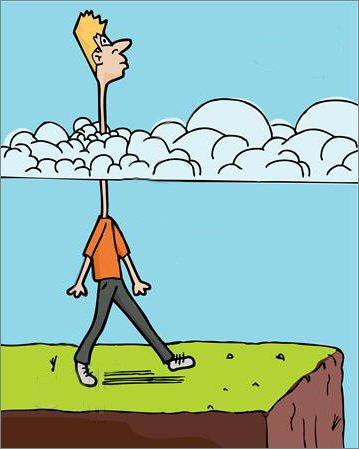




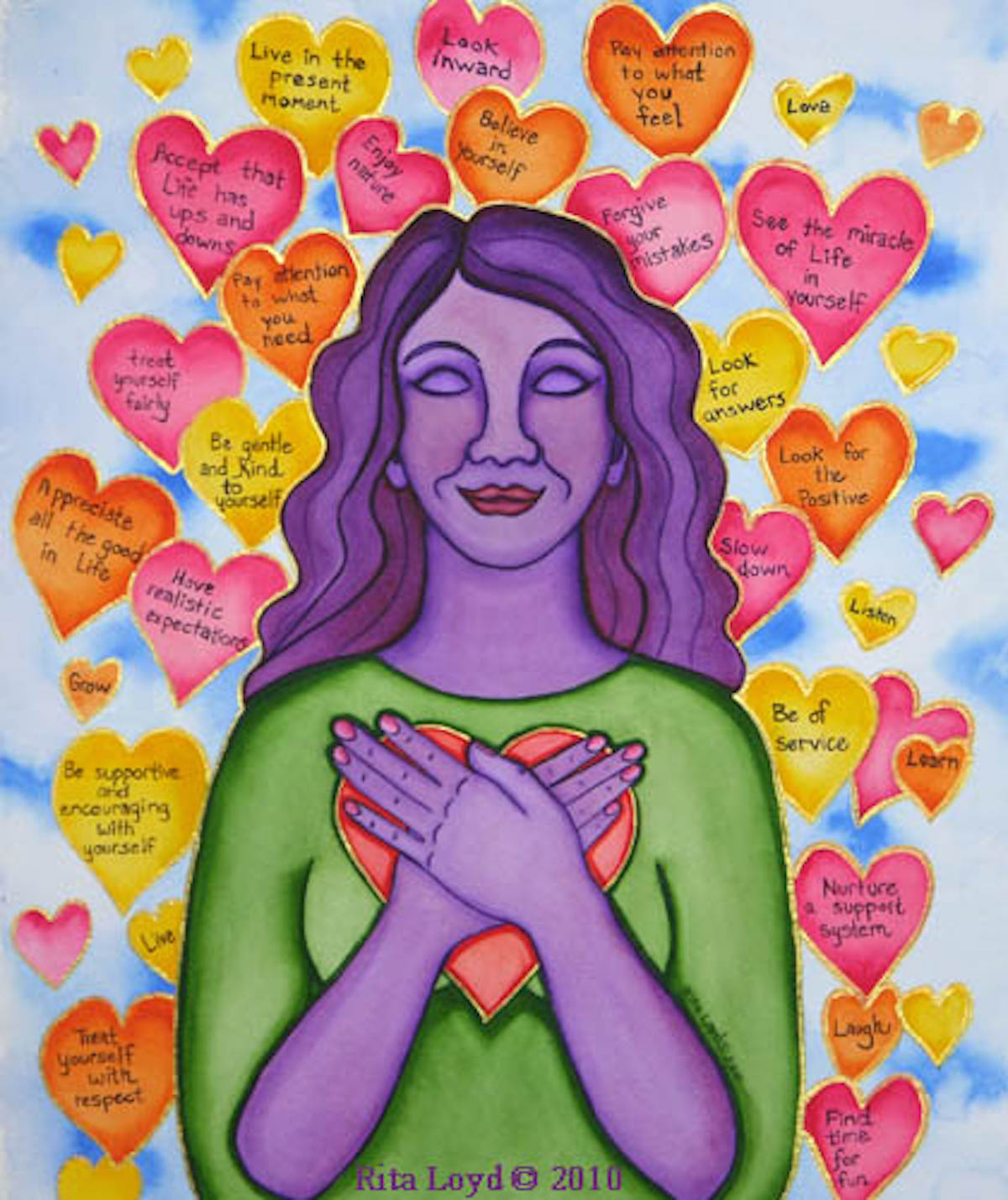
 has survived over 80 years despite being neither professional nor organized is something many outsiders can’t grasp. We charge nothing, and nobody is in charge. Rather, our cohesion results from lived experience of our shared plight and solution. Extending these principles into our lives means that we not identify with the roles or labels we tend to pin on ourselves, that we lighten up and take ourselves less seriously. Eckhart Tolle writes about the diminished experience we suffer when we identify with a role, class, or even personality. Living truly awake means seeking to be maximally open to experience right now, not hemmed in by limiting self-definitions.

 And yet we try the unknown thing. We step out into air. There’s something in AA meetings, some energy we can’t identify that keeps us coming back. My brain told me emphatically that AA would never work, yet my hope, my heart, and somehow my car keys carried me to meeting after meeting, where I heard people speaking authentically of ruined relationships, self-loathing, wild emotions, relentless fears, and pain-filled loneliness just like mine – that no longer ruled their lives. I could see it in their eyes, hear it in their voices: they were free.
 Three steps forward, two steps back, I’ve progressed through life’s vicissitudes and cycles of stepwork to reach my own intimate experience with a god that I now love with everything in me. Today I can see how god – that energy of love powering every element of life – is in you. I can love you with no self-interest – no more than I have in loving a robin, or a birch tree, or a puffy white cloud shifting across the blue expanse of sky. Look at you being you!

 I was busy. She was hopeless. Just eight minutes and I’d be outta this dump, back to the fresh air and my nice, clean life!
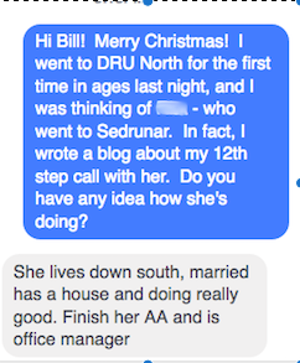







 has its ups and downs, riches and ruins. The quality of our sobriety varies with our connectedness to god and our fellows, depending on the rigor with which we cultivate both. Many of us long to be gung-ho about sobriety all the time – and we can be! It’s just that what gung-ho looks like is going to change over time, which is why I like the analogy of seasons in sobriety.




 Stay out of his life. Pray that he receive all the love and happiness you couldn’t give him.” When I objected, trying to explain step 9, he reared up powerfully: “This amends would be more for you than for him! He has a new wife! Let him be!”






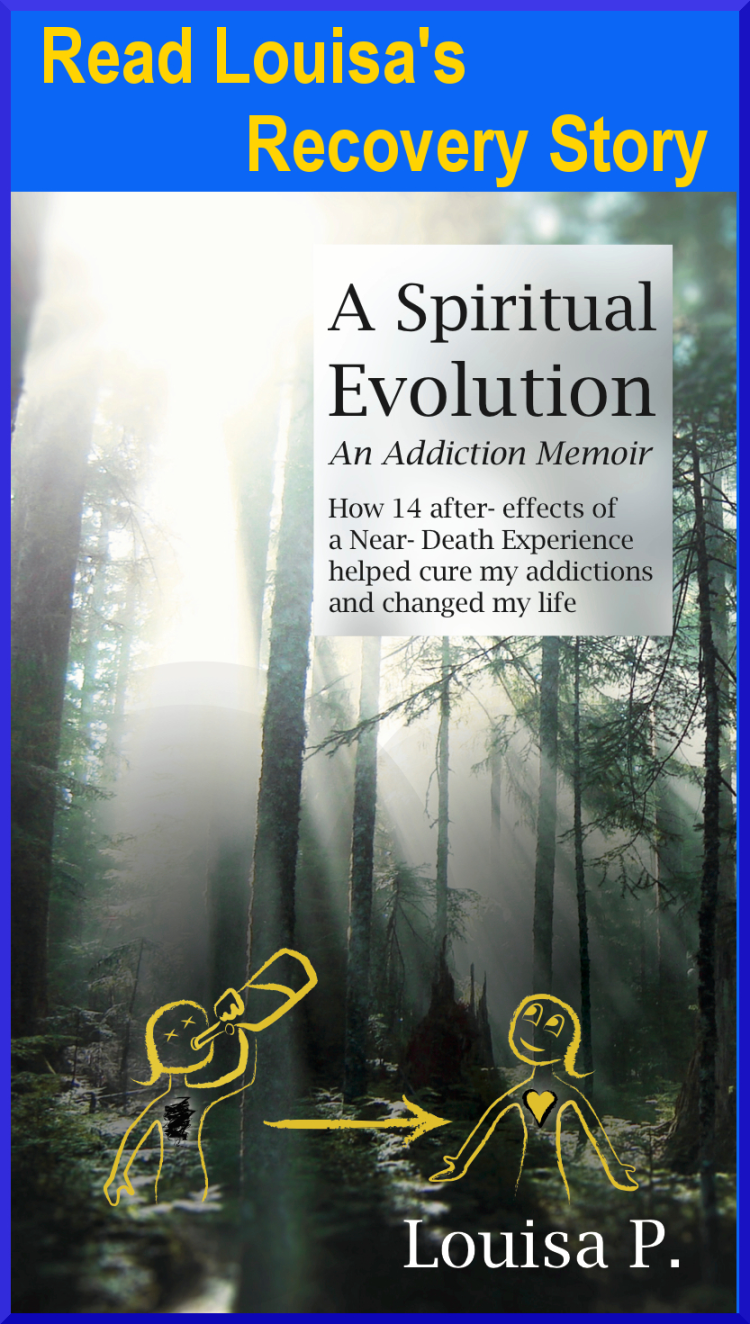
 A Spiritual Evolution