Category Archives: Sobriety

De-Romanticizing Alcohol

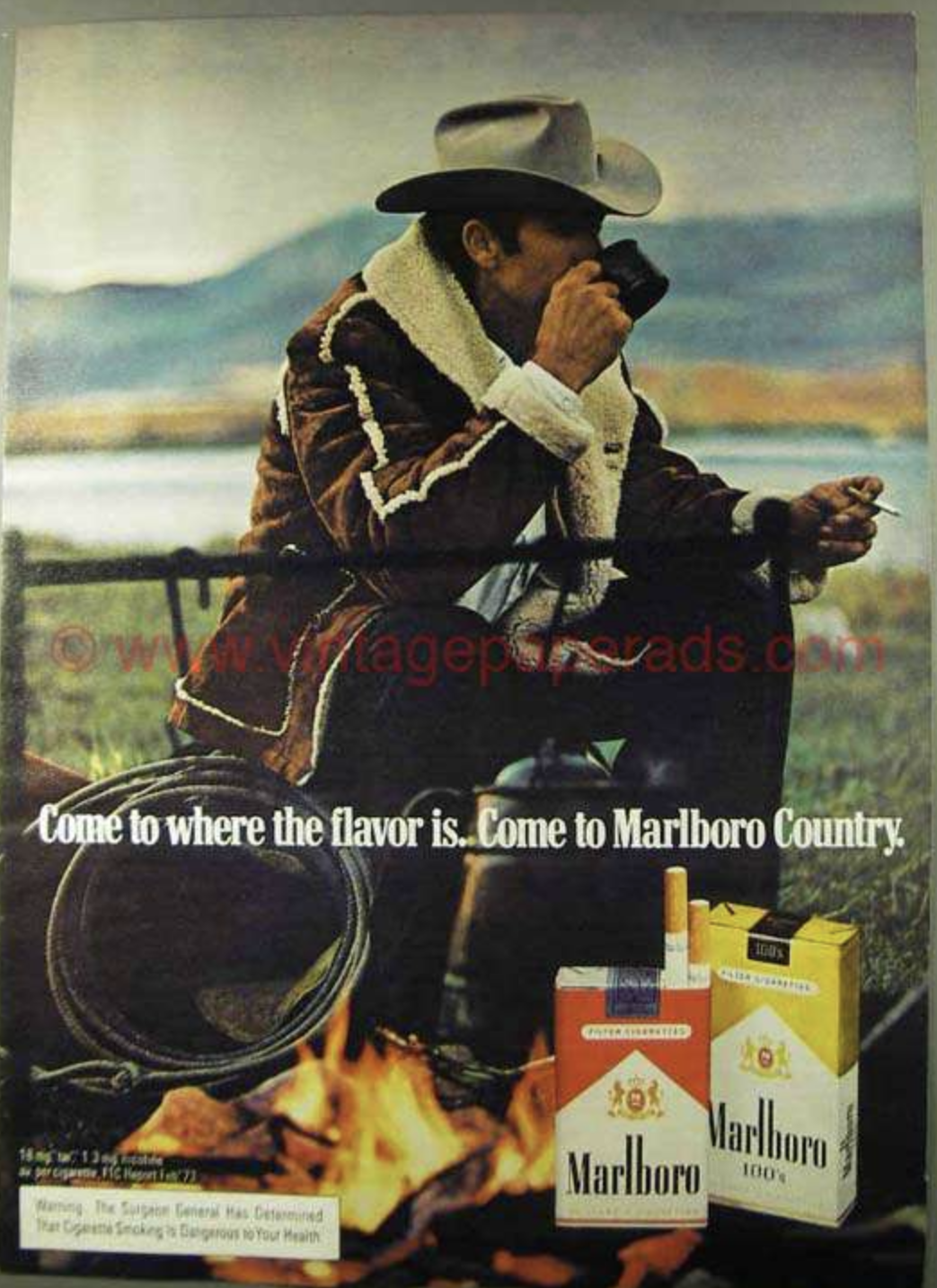
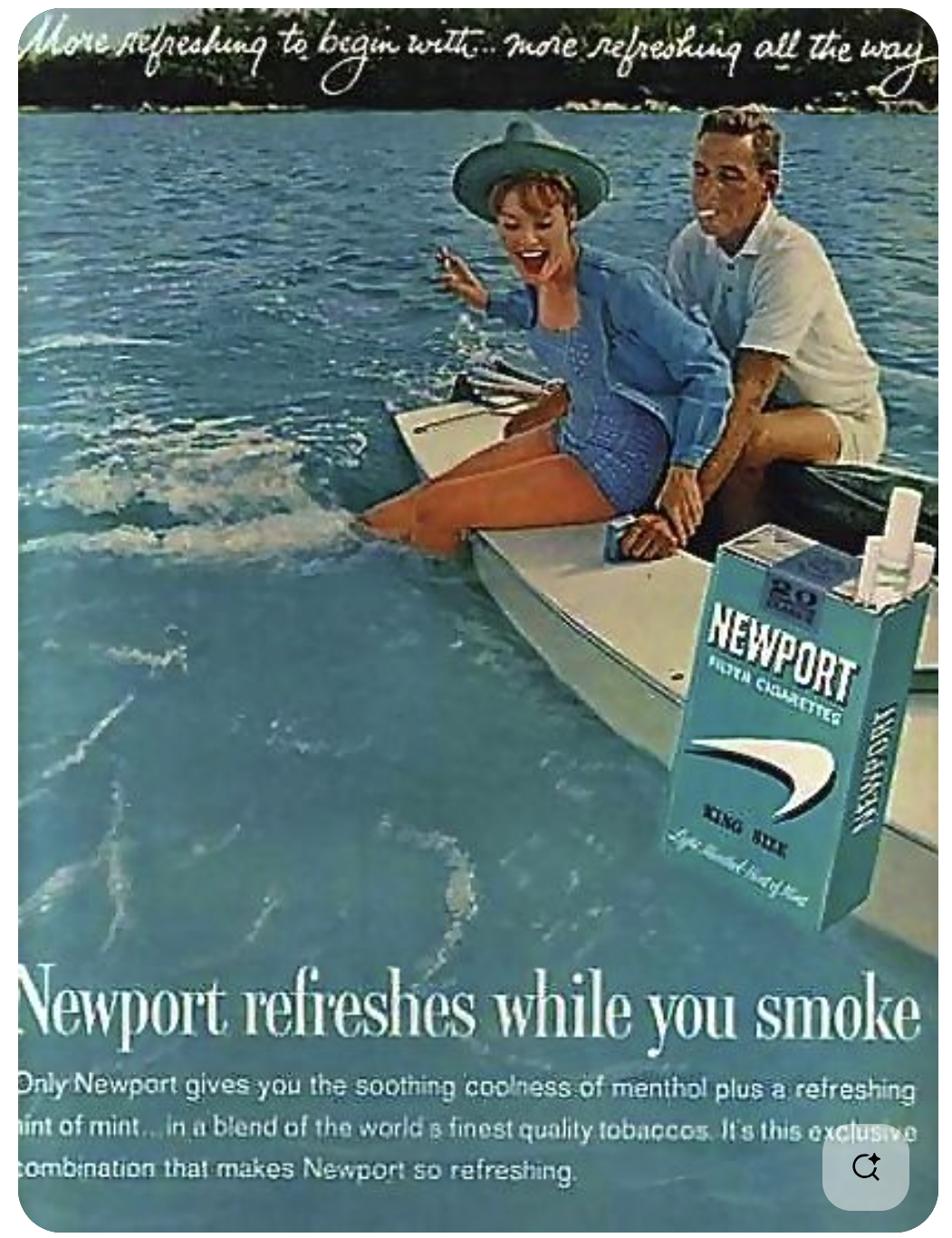
I remember seeing cigarette commercials on TV and filling the pages of magazines, campaigns and jingles pushing a story about the kind of people who smoked their brand. Sexy, fun-loving, country-hearted, independent-minded, or, in the case of the Marlboro man, hyper-masculine loners — all of them could discern a truly superior smoke.
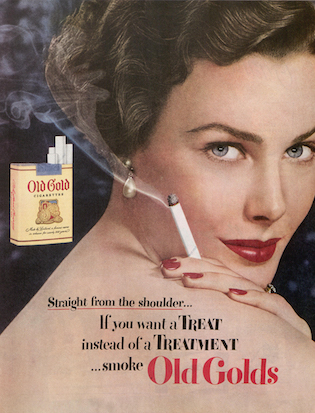

Do you know what these people weren’t? Living organisms fueled by oxygen that was constantly diffused into their bloodstreams through the 0.001 millimeter-thin linings of countless tiny capillaries in their lungs. Drawing nonchalantly on white cylinders, these smokers were cool; none cared a hoot about their 1,400 square feet of lung surface getting sullied and destroyed by toxic, carcinogenic smoke inhalation.

In the 1960s, over 40% of Americans were smokers, as compared to 14% today.  Proof of harm has won out over smoking’s romanticized images. Similarly, in the 1970s, 71% of Americans drank. Today, the number is 54%, with 66% of young adults aware that moderate drinking harms one’s health.

Can you see where I’m going with this? Alcohol is following in the footsteps of cigarettes. It’ll take longer and never be 100%, but the days when the general public overlooks the carcinogenic, dementia-inducing, liver-killing properties of this poison in order to “take the edge off” or “whoop it up” are numbered.
I started smoking when I was 17, the same age I discovered drinking to blackout. Each habit in its own way seemed to save me from the awkward pain of being me — an insecure, shame-filled, not-good-enough teen. While a lot of that relief was neurochemical, more of it came from the stories I connected to smoking and drinking. Like a costume or special effects make-up, they made me a tough, devil-may-care, gutsy young woman ready to live on the wild side, or a svelte, sophisticated siren able to charm and impress just about anyone — depending on the setting. 

All I had to do was suck stuff down my windpipe and esophagus respectively, and all those glamorous, romantic traits became mine! That is, until my 30s when both quit working. In the end, smoking was automatic, and I felt like a dumb loser just as much drunk as sober.

It took 17 years for me to truly hit bottom with drinking, and another 2 years to quit smoking. I knew I had let both go, and yet in those first few years, I mourned them as lost vices, lost friends, lost indulgences.

I would not have believed – nor do I expect you to if you’re newly sober – that one day I would have zero interest in either.  I wish I could drink about as much as I wish I could sniff glue. I long to smoke pot about as much as I long to get Alzheimers. In fact, if I had to choose between hanging with some drunk/stoned people and finding myself in a 4-person bobsled at 80 mph, the choice would be difficult — and only because I suffer from chronic vertigo.
I know a few recovering alcoholics who still envy friends and neighbors who drink. I can’t help but doubt they’ve been fully restored to sanity. How can they imagine booze would grant them ease and comfort, make them more fun, enrich their experience? Today, if someone offered me a pill or injection that would let me drink “normally,” I would laugh. I’d ask, “What’s ‘normal’ about swallowing a carcinogenic, dementia-inducing, liver-killing poison to diminish your level of awareness – in any amount?” 

My newly sober self would’ve been pissed to hear this, but today it’s THE 12 STEPS that grant me the ease and comfort of trust in god, my LOVE for self and others that make me more spontaneous and fun, and GRATITUDE that enriches my everyday experience. I’ve traded my once rampant anxiety for the first line of the serenity prayer (serenity to accept the things I cannot change) and the itch of discontent for its second line (courage to change the things I can) because living in the 12 steps has taught me enough of the third line (wisdom to know the difference) to just “relax and take it easy” [p. 86].  

A 2024 study found that, in the U.S., more people are using cannabis and THC-infused products daily than are drinking daily. As pot has edged out booze, violent crime rates have been falling, as drinking has long been associated with increased aggression.

Marijuana, however, is no angel drug: 

Daily marijuana use raises the risk of stroke by 42% and heart attack by 25%, even if there is no prior history of heart disease and the person has never smoked or vaped tobacco, according to a February 2024 study.

Weed has also been linked to cardiac arrhythmias such as atrial fibrillation; myocarditis, which is an inflammation of the heart muscle; spasms of the heart’s arteries and a higher risk of heart failure.

By using cannabis before the age of 25, young people can permanently damage their brains… [CNN]

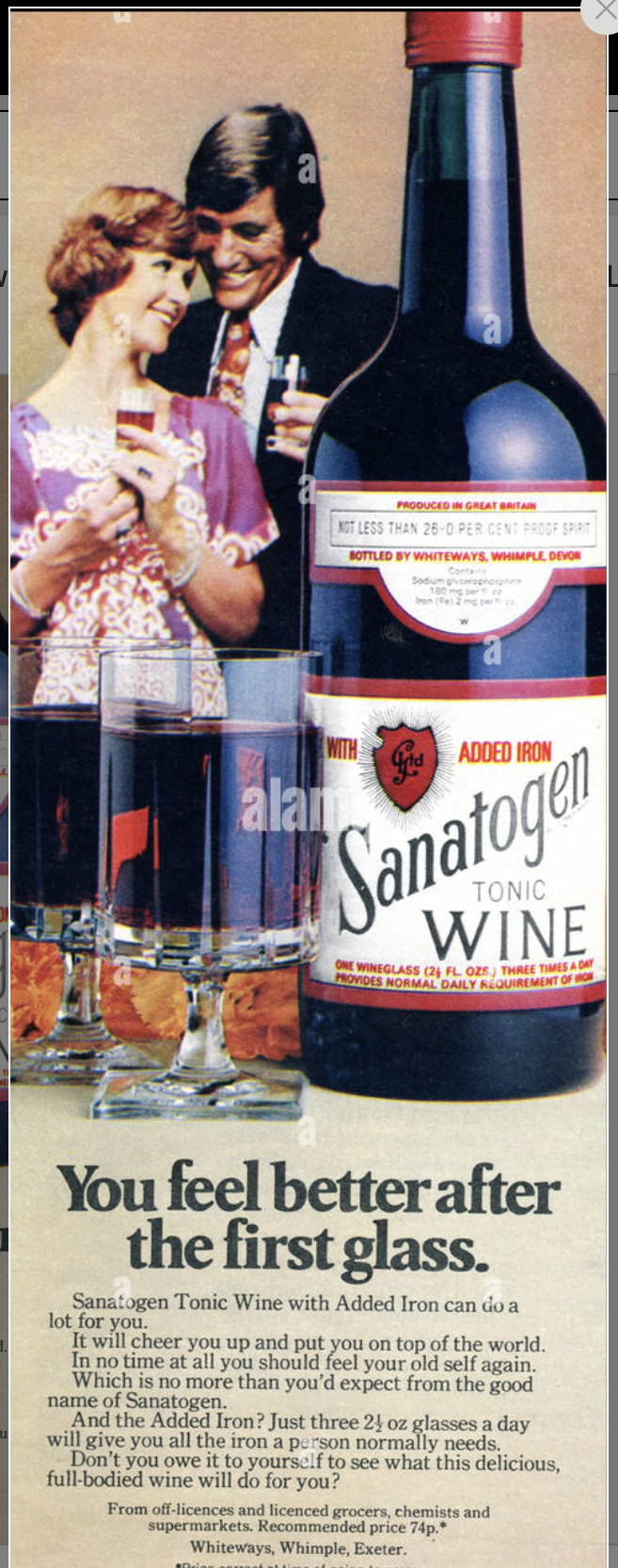
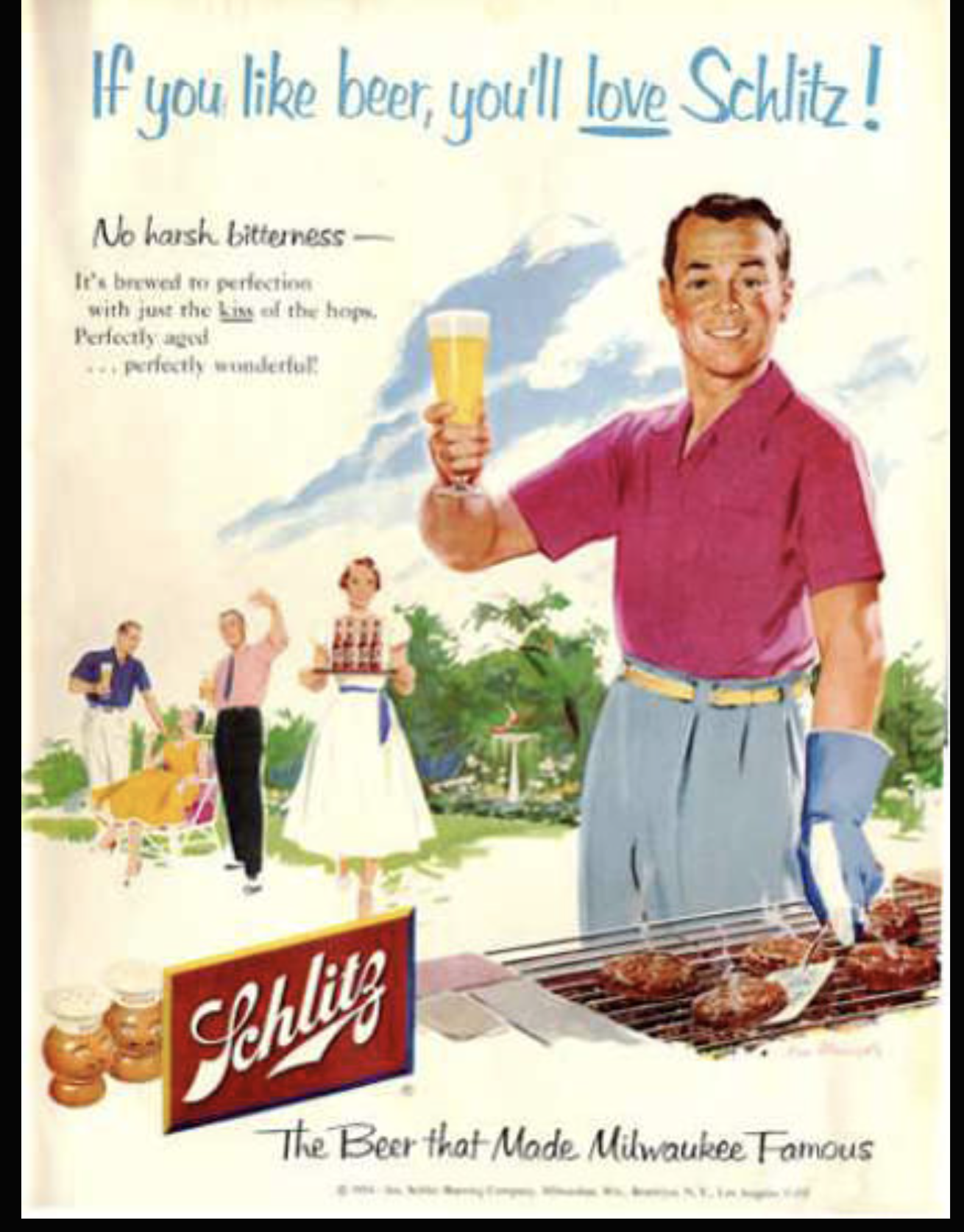
But here’s the biggest difference, I think, between alcohol and pot: Alcohol has been around for so long that it’s deeply ingrained throughout our culture. It’s a substance infused with romantic STORIES of elegance, connoisseurship, rugged individualism, celebration, and romance.

You can plainly see these stories in advertisements no different than the cigarette commercials. Wine “complements” a meal; beer “belongs” at a barbecue; scotch and brandy are “savored” by an evening fire. Pot has no comparable mystique. When people pop a gummy or take a bong hit, they know they’re self-medicating. They don’t pretend the point is instead to enjoy great flavor or cool refreshment or proud, elegant traditions. They’re just straight up chasing a buzz.

Working the 12 steps frees us from the psychic pain that calls for a buzz to vanquish it. And seeing alcohol for what it is – a toxic drug no matter what form it takes – frees us from buying into the stories that glamorize it and convince us that, without alcohol, our lives are missing something. They’re not. Quite the contrary, being truly awake in sobriety opens the door to a richer, fuller, happier life than any neurotoxin – whether in liquid, smoke, or gummy form – can offer.

Yes, life is hard, like a series of hurdles. But every hurdle can inspire us to fly, just for a bit, boosted by the god in our hearts. The more aware we are, the more spring and strength enliven our every leap of faith.

No Amount of Alcohol Safe for the Brain

Leave a comment

Filed under Addiction, alcohol damage, Alcoholism, Drinking, Recovery, Romanticizing alcohol, Sobriety

Layers of Emotion

Exactly what factors bring on alcoholism remains unknown, although genetics, trauma, and alcoholic role models often play a role. At some point in our early years, many of us were dealt more pain than we knew how to process, so when we discovered a “Get Out of Pain Free” card – aka alcohol and drugs – we rolled with it.  We drank or drugged away difficult feelings, muting them, taking the edge off. But over time, this card not only quit working; it morphed into a get out of happiness, dignity, human connection, and desire to live card.

That’s when we faced the two exclusive alternatives: “One was to go on to the bitter end, blotting out the consciousness of our intolerable situation as best we could; and the other, to accept spiritual help” (p.25)

Coming up on 30 years sober, I’ve found that I eventually reach this same T in the road with every difficulty, except that now I find other ways to “blot out” what’s actually going on for me. Used to be infatuation, sex, self-pity, and jealousy topped the list. Today it’s anxiety, anger, and many forms of pointless distraction like online shopping, posting stuff, scrolling, etc.

Whatever. You get the idea. I stack secondary preoccupations and emotions on top of unwanted feelings about whatever bump in life has come up. 

Exhibit A is my life these days. Call me woo-woo, but I have an angel who gives me guidance.

Angel

Angel story’s in my book

About two years ago, he directed me that once my mom died and my son moved out, I should sell my home of 25 years and buy land in a place where I could create an animal sanctuary and retreat site for alcoholic addicts. Mom died. My son will move in with his girlfriend after graduation. So I said, Okay, I’ll do this thing, however difficult. 

As I write, I’m in the first stages, having rushed to get my house listed in time to meet the terms of my offer on 5 acres in rural Oregon. I’m between homes, living with my two dogs in an idyllic rustic cabin with a beautiful view of Puget Sound and distant mountains, surrounded nature. I got Starlink and built a foundation for it on the roof, though the trees around me mean it quits every 10 minutes for about 10 seconds, so I have to teach from outside the local store. No laundry or drinking water, extension cords everywhere, and I bathe in rust-water from the 15-foot well. But I’m set. I’m doing it. Hopefully, the next pieces will fall into place.

So what have my primary feelings been? Accomplishment? Excitement? Savoring all this beauty and simplicity? No. Try anxiety, constant fretting about the dogs, financial insecurity, criticism of my listed house, doubts about the new place, and just a general, pervasive sense that I’m doing it wrong.

Anxiety reached such a peak that I can’t leave the dogs in the cabin, even if I turn off the gas and unplug everything, because I’m STILL TORTURED with worry that the cabin will burn down while I teach, attend an AA meeting, or visit the post office. I also eat enough sugar-free cookies to hurt my stomach. With no one to talk to, I waste hours online and get riled up about the news.

Roommate #1: Beverly
Roommate #2: Alice

But as I’ve continued to pray for relief from these unwanted feelings, something’s slowly shifted. I was scraping moss chunks off the roof the other day when I suddenly felt tears rising. Out of nowhere, a sob wanted to come up my throat. So I let them through. I set aside my tools, turned off my podcast, sat down on the shingles and ugly-cried – at first not even sure why.

But then it came: My home! My mom! Raising my little boy! My ex lost to alcoholism! My youth and its expansive, limitless future of dreams. All are passing from my life, and I loved them, I miss them. I don’t know anything – who I’m going to be, what my life will look like. Yet I need to grieve the life I’m leaving. My angel told me, You have a chapter left, so let’s use it for good. But who wants a goddam coda, however meaningful?

For me, the gift of sobriety is learning to recognize that it’s not about the cabin burning or Netanyahu kindling world war. It’s never about the big tizzy, whatever form that tizzy may take. When illusions fall away, it’s about facing the vulnerability that 99.9% of what happens is outside my control. It’s about knowing my fate is always in god’s hands more than my own, and trusting that god’s goodness makes up the foundation of what happens despite my human ignorance of the why’s and how’s. Faith and courage — these are all I EVER have to draw on. Ever, ever, ever. 

I remember the predawn hours after the first night I’d spent sober, when I felt so terrified of living with or without booze that I dropped to my knees by the glass doors and begged god for a sign. Across the near-dark patch of grey sky in front of me flew a lone bird, silently navigating from hither to yon with almost no light. I realized then that nothing thrives without faith in something, whether conscious or unconscious of that faith. My faith had lain in booze and ego, both of which had failed me. Now it was time to hand it over to god — the same god guiding that bird.

That was 1995, and it’s still true for me today. Over and over I wander from humility, forgetting, thinking this life is my show, but eventually I’m led back to that touchstone, and that has made all the difference.


10 Comments

Filed under Alcoholism, Faith, fear, living sober, Recovery, Sobriety

15-Minute Guided Meditation for Sober Alcoholics

Hi alcoholics and addicts!

AA’s Step 11 reads, “Sought through prayer and meditation to improve our conscious contact with God,” but many newly sober alcoholics – and people with time – have trouble knowing where to start. I was moved after my morning meditation to record a spontaneous YouTube meditation for this blog, so I did. Such reflections free me from my fears and self-criticisms (see bedevilments, p. 52, Big Book).

Close your eyes and hang out.

This is a shareable (but unlisted) link. Feel free to share it with anyone you think might benefit or post it on recovery pages. Please let me know in the comments if you’d like me to make more.

No hair combing, zero make-up, not trying to look presentable. House jammies and bedhead and reflecting glasses. The focus is inward toward source and outward toward you.

Here’s my sweet Alice a month after being rescued from starvation in the Rio Grande Desert. Her stunted body did catch up with her head and paws a little once she got regular nutrition, and she is often happy. 

Alice after rescue

7 Comments

Filed under AA, AA talk, Adult Children of Alcoholics, Alcoholics Anonymous, Alcoholism, living sober, prayer, Recovery, Sobriety, Trauma

AA Banquet Talk: Transformative Steps & My Story

I recorded this on my phone last night — and I’m really glad I did.  Speech / elocution-wise, I learned that I’m too shrill and often speak too fast to be understood, so I can work on toning both those things down.  Content-wise, I hope some of you might get something useful from it. Plans to time myself were technologically foiled, so I was shocked when the moderator held up 10 fingers, and the end is hella rushed. But I guess that’s how it was meant to be.

Leave a comment

Filed under AA, AA talk, Alcoholism, Recovery, Sobriety, Twelve Steps

Pain Meds IN THE HOUSE!!

A few years ago, my friend Rob, a “purebred” alcoholic sober nearly a decade, injured his elbow and was prescribed Vicodin. In mere weeks he became addicted to opioids and, after a few years, died. Another friend, an engineer with decades of sobriety, likewise hurt his elbow.  He, too, was prescribed pain medicine, left his life to chase street drugs for months, but by the grace of god did not die. 

What we as alcoholic addicts can never forget is that our brains have a haywire switch.  No matter how certain our rational minds are about “not liking pills” or “using only as prescribed,” our addict remains crouched in the back of our minds saying, “Right! You’ve got this!” until the moment it clinches control and says, “Ha!  I’ve got YOU, bitch, and we’re on a run!” I can’t emphasize enough the degree of respect for this demon every alcoholic addict needs.

Last Thursday, a surgeon sliced open my hip crease, popped the ball outta the socket, sawed off the end of that femur, and commenced building me a new hip. That’s a graphic way of saying I underwent an anterior hip replacement. When I came to, I felt wonderful! In fact, I had a moment of intense spiritual clarity — see below — before things got cloudy.

I have no partner, my son’s away at college, my mom is hella old, siblings either distant or dealing with their own ailments. My main “family” is AA, but I have other circles as well.  My friend Keira came to get me 30 minutes after surgery. She’s a chemo nurse, at home in medical settings. When the nurse discharging me noted that, per my request, I’d be prescribed only Tramadol — not Oxycodone — Keira interrupted. To me she said, “Dude, they just sawed through your femur. Get the Oxy. If you don’t need it, you don’t have to take it.”

An hour later in the Safeway the parking lot, my entire thigh was !!!SCREAMING!!! Anger as if someone had … well, just sawed through it. Keira was inside trying to get me the Oxy before the pharmacy took a lunch break. I was doing controlled breathing, shaking like mad, pressing down the panic that wanted to explode as my pain flared higher and higher.

At last Keira opened the driver’s side door. She had the Oxy. Thank god. About 10 minutes later, I could speak again in a normal voice. The pain was managed.

That’s what such drugs are for.

Over the 27 years I’ve been sober, I’ve gotten super comfortable with full-on reality. What used to seem an onslaught of jarring, demanding impressions is now just the flow of what’s happening. I knew this before my surgery. What I didn’t know until the following day was that the converse has also become true: I’m now super UN-comfortable with being fucked up. 

Isn’t that crazy?  What would Pink Floyd, who wrote “Comfortably Numb,” think of that?  Could 34-year-old Louisa, who in 1995 lived for her daily booze and drugs, have even imagined such a mindset?

I was staying with Keira’s family for three nights.  On Day 2, Friday, she invited our friend Sarah over for a card table dinner in the room next to mine.  I was excited!  Both these friends live an hour away from me, so I don’t get to see either as much as I’d like, let alone both together. We three are the Bikini Bitches. We climb glacial mountains and take silly Bikini Bitch photos at the summits, clean, sober, & livin’ large.  That’s us.

I wanted to be fully PRESENT for this little reunion, but I also needed to sit at the table, so I took a Tramadol instead of Oxycodone.  That shit may be one-sixth as strong as Oxy, but it messed me up, hit me like a wave of blur! Sarah showed up and we  all sat down together, but my mind was goofing around on some mayonnaise slip n’ slide. I remember looking at my friends and thinking, I want to BE here! Again and again I struggled to focus, but I couldn’t think of words or keep track of most ideas long enough to speak them.

Every now and then, they’d look at each other. I remember Keira saying with an accepting shrug, “She’s fucked up.”

I wanted OUT of my fucked-upness as badly as I used to want OUT of full-on, clear consciousness.  My friends were there, and I was MISSING it!  But I could do nothing to get my sharpness back. I was half-drowned in stupidity. 

On Day 3, my son surprised me by driving 6 hours across the state, using my shared location to find Keira’s house, and then phoning to say, “Mom, can you look out the window?”  Such a sweet boy!  Sunday, after he’d driven me home, he set up our house so I could live downstairs alone.

He also hid all my meds.

Yup. The Oxy he divvied into stashes — 2 pills, 6 pills, and the rest of the bottle — then found hiding places for them and the Tramadol. I had my ibuprofen and Tylenol. If I needed something stronger, I could call him. My son understands. He grew up around sober friends we’ve since lost to addiction, prescribed or otherwise. He mourns them, and he loves me.

As it turned out, I did need to call him. My stomach rejected the ibuprofen AGAIN and, after I caught my crutch on a gate while letting my chickens out, I stumbled and re-injured my leg, which brought on a 99.5 º fever and heightened pain. “Look in the drone box on my desk,” he told me.  And there were two Oxy, right under my nose!  For two nights, they controlled the pain enough to let me sleep, but I think I’m done now.  I don’t need to ask for more.

What protects me from hunting for those meds is not my will. Addiction’s kryptonite is connection: love, community, and gratitude. An AA friend is coming over today to move my stuff back upstairs. Another will come tomorrow to spot me while I take a (much-needed!!) shower. Neighbors have mastered my chicken routines, gifted me a thermometer, and picked up my new anti-inflammatory meds. My dogs have gone for walks every day — 6 days in a row — with different people. Today they have a play date with the dogs of a former student of mine from 15 years back.

Here is the image I was shown when I first came out of the anesthetic, before my brain came back online to block spiritual knowing.  First, I had to remember what I was doing: I recalled, “Oh, yeah, I’m doing that Louisa business!” Then, on the strip of wall in front of me above a window to the nurses’ station, I saw my life as Louisa. It was a circle at the center of a ring of smaller circles, connected by radiating lines that I understood went two ways. These were all the lives mine touches, all the people connected to me whether remotely or in person. Lean into this, my angel told me. There was more, but I’ll save that for another post. 

I thought, “Wow!  That wall is so awesome!  I’ve got to tell the staff to put some pictures up there for people who maybe don’t have visions!”  Then everything went cloudy, and I don’t remember much.

I’m on a mission here in this Louisa suit to share love and kindness. So are you. But the flipside is, we can give others a chance to do the same.

scroll

8 Comments

Filed under AA, Addiction, Pill addiction, Sobriety

Compassion’s Spark: a 12th Step Call*

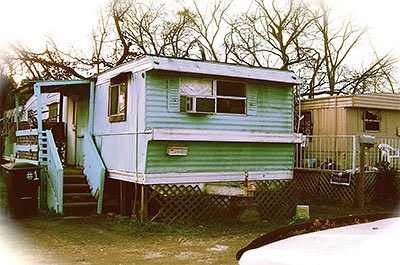
On a dark, rainy winter’s evening about ten years ago, I found myself in a run-down urban trailer park trying to find a particular trailer. I don’t remember how I was supposed to identify it, but I do remember a man stepping in front of me whose face I couldn’t see in the dark.  “I got some stuff.  You want some?”  trailer-park“No, thanks,” I replied, moving on. By the light of trailer windows, I saw more shadowy figures moving about in the downpour, and I remember holding my AA Big Book in front of my heart like a shield, asking god to keep me safe.  I was on a full-fledged 12th-step call, one of only a handful in my life.

Twelfth-step calls are less common today because treatment centers tend to be a first stop for addicts wanting help, but the woman whose trailer I was seeking had just been released from the most labor-camp-like detox/treatment center in Seattle – Sedrunar.  A friend had called me about her. “Lena doesn’t have a car to get to meetings.  She’s got two kids, and she’s gonna lose them if she uses again.”

I called Lena, though I was going to insist she take the bus to my house.  But Lena, like any addict, was persuasive.  She didn’t know anyone in the trailer park she could trust to watch her kids – who were seven and two.  Could I please come just this once?

The seven-year-old opened the trailer door.  She stared at me from eyes circled with dark shadows, silent as a spook.  I heard yelled from inside: “Let her in!”  I tried to greet the child cheerily, though to inhale the stinky, steamy air in there felt like an assault. On the floor was an old TV with a beanbag chair in front of it – that and piles of clothes.  Bare walls.  In came Lena, the toddler on her hip naked besides his diaper, food all over his face.  Lena was a bit shorter than me and chunky, about 25. She shook my hand, apologizing for the mess, and handed the boy off to her daughter, pretty much barking at her to go in the bedroom and shut the door so she could talk to this lady – me.

We sat down at the yellow kitchen table.  On the stove, mac & cheese dribbled from a saucepan stovein a way that reminded me of vomit, and smeared noodles dotted the table.  Lena sat across from me and folded her hands expectantly as though I were about to recite poetry.

All I could say was, “Does that window open?” I gestured toward a dark pane at the the table’s end, the glass dripping with condensation.

Lena looked perplexed.  “I’m trying to save heat.”

“I’d really appreciate it.”

Reluctantly she rose and slid the moldy aluminum frame aside about an inch.  While she was up she grabbed a sponge and wiped away most of the noodles at my place, apologizing that she’d just fed her son.

I’d made up my mind that I would stay 30 minutes only.  I began as I always do, by asking Lena to briefly tell me her story.  Clearly practiced from treatment, she launched right into it – how she’d grown up picking crops in Yakima in a Hispanic community; how she’d gotten into meth as a teen.  She was proud that both kids had the same father, but he was a drug dealer.  She’d lost them twice to CPS – once for leaving them in the car outside a bar.

“I’m clean, now, 60 days.  The judge told me this is an extra chance with my kids.  I shouldn’t even have them now.  I gotta stay clean.  I gotta stay sober.”  Here she changed, muscles in her face and throat working hard.  She looked right at me and spoke distinctly: “I can’t… lose… my kids.”

“Well, you’ll need to find a sponsor,” I breezed, “but, unfortunately, I’m full.”  This was somewhat true – I had a few sponsees.  But, of course, I really said it to push away all this squalor.  I wasn’t even sure whether this woman should have her kids.  All I knew was that only 21 minutes stood between me and escape.

I sketched my own story briefly, Lena nodding attentively at every phrase.  I explained that I couldn’t not drink on my own, but by working the 12 steps I’d accessed a higher power that had removed my craving for alcohol and kept me sober eleven years.

“Eleven years!” Lena marveled.  “That’s what I want!  I wanna know how you did that!”

I was starting to explain how I’d worked with a sponsor when we heard a ruckus and the squalling toddler, chased by the spooky girl, burst out of the bedroom.  Hardly taking her eyes from me, Lena scooped her son into her lap and held him close.  She gave the crown of his head tiny kisses and asked him if he wanted a bottle.

Right then – that’s when the voice started.  Not really a voice, but an urging:  Help her.  Sponsor her.  Love her.

No fucking way! my ego countered.  ticking-clockI was busy.  She was hopeless.  Just eight minutes and I’d be outta this dump, back to the fresh air and my nice, clean life!

Lena nodded toward her son.  “He don’t talk,” she said. “They told me he’s disabled, but it ain’t true.  It’s just all he been through.”  Watching the boy’s eyes, the way they moved from Lena to me and back again, I sensed she was right.  Meanwhile the spooky girl joined us with a coloring book, promising to be quiet and asking where her crayons were.  Lena grabbed them from the same box that had held her Big Book.

“It’s not me,” I heard myself telling her. “God has given me a life better than I ever dreamed of.”  Some of the people who’d helped, giving me time and guidance, flashed through my mind.  “I’m not the same person I was.”  Lena nodded intently.  She was not begging.  She was not pleading.  But every cell in her body was straining to hear me.

Just help her.  Just love her.

But I was helping, dammit!  I was steering her toward the program, right?  Just not toward me.  Anyone but me.  But, with just three minutes to go, I made a big mistake.  I looked into Lena’s eyes.  Really looked.  I saw there desperation and terror, but even more, a fierce love for her children.  My own son was five.  How were we any different?

The wall crumbled, compassion washing over me.  “Okay, I’ll sponsor you,” I heard myself saying.  Lena’s face lit up.  “But not here!  You’re gonna have to come meet me at a coffee shop!”

The rest of the story is like a fairy tale.  Lena and I met every Friday tobig-book read the Big Book at a Starbucks while a sober neighbor watched her kids, after which I’d drive us to a meeting.  She had a job riding in a municipal truck, collecting garbage, and within a couple of months she qualified to drive that truck.  She moved into a shitty apartment not far from the trailer park, where I met with her for a while until she found childcare.  She bought a crappy car and started driving herself to meetings.  Whenever I showed up at her homegroup, her kids would ambush me either in the parking lot or when I came in – the little girl now beautiful and clear-eyed, the little boy talking up a storm.  Their laughter still seemed incredible to me – a miracle.

In a little more than a year, we’d progressed to Step 9 when Lena, who was apprenticing as municipal gardener, leased a nice apartment too far north for us to keep meeting.  I drove up and visited her there once.  It was near Christmas.  I remember white carpets, a new sofa, pictures on the walls.  I remember the children bringing me a gift from under the Christmas tree and grinning while I opened it, and my own embarrassment that I had nothing for them.  But I had given them something – and we all knew it.

Last night after eight years I went again to that meeting – Lena’s old home group. But she wasn’t there.  Where she’s gone, what she’s doing, I don’t know.  But I’m hopeful.  I sent them prayers.  Today, I’m so grateful that god opened my heart, and that it’s still opening.

scroll

Postscript:  I had to find out…  🙂

screen-shot-2016-12-24-at-5-20-03-pm

Republished from 12 /2016

5 Comments

Filed under Addiction, Alcoholics Anonymous, Alcoholism, Recovery, Sobriety, Sponsorship, Twelve Steps

How it Felt to Get Sober

Short answer?  Terrifying.  Terrifying because to live without drinking was unimaginable — like a layer of my identity being ripped from me. I had reached the point where I could not imagine life either with or without alcohol.

Today, at 27 years sober, those days seems distant not just chronologically but because my reality is completely transformed. The only experience I can compare with getting sober is having kids: imagining how it might be to have kids is a world away from actually becoming a parent, supporting the lives of your children in countless ways and loving them more powerfully than you ever dreamed possible.

The same was true for me, but the child in question was my authentic self.  There’s an apt truism that goes like this: You don’t know what you don’t know. In other words, we think what we know must be all there is to know about sobriety because we’re ignorant that a whole different realm exists.

figure-in-bottle

Zealousshadow

I was sure I knew who I was. I was sure I knew the role booze played in my life.  And I assumed I could guess what a life without booze would look like. 

Wrong on all three counts!

Amputating a Limb

To guess at what life would be like without booze, it seemed reasonable to work this equation:

What would it be like, I wondered, to hang out in bars and NOT drink?  Would I still play pool and darts, and, of course, smoke?  How would I sit around on my stoner friends’ couches and NOT get stoned?  What would be the point of hitting up a party if not to get drunk?

And what about life at home?  How would I watch movies without booze?  Cook or work in the yard?  How would I ever relax and chill out?

Subtracting alcohol, I believed, would leave a gaping hole in my life. This void seemed inevitable because I’d lost track of both who I was and what life was about. The goal, I’d come to believe, was always to FEEL BETTER. I knew only two ways to do that: 1) booze and cocaine and 2) esteem from crushes and “cool” people.

Happiness through a heart connection with the inherent goodness of the universe wasn’t even on the table.

Here are some journal entries from my first year:

1 day sober:   “I went to an AA meeting tonight. Was so uncomfortable and out of place and felt I will never, never stop drinking, so why even want to? I know drinking so intimately.  I know me with a glass of wine or a beer better than anyone else in this world. I love to drink. I love it like freedom and happiness.  I want never to stop.”

65 days sober:  “I really do think AA has saved my life.  I couldn’t have done it — stopped the drinking, the downward spiral — alone. I wanted to let myself go, let it end. That’s why crashing my car seemed the best way…  But now I live in fear. I fear every coming minute, every hour of consciousness that I have to get through on my own — just me and the world.  But the good side is, I know I CAN get through it if I just hold on and keep going.  And that is courage. I am rough-riding the world, life, being me. And every moment I do is a triumph.”

222 days sober:  “I’m seven months sober.  I am very messed up.  Even writing doesn’t seem to do any good, because I am so TIRED of being messed up. There’s never a break. Today it got to be too much for me. Sitting in a women’s meeting, this woman told her story, very low bottom.  And while I was moved during it, afterwards my disease started creeping up from the back of my mind, my old love affair with drinking, missing it and the sense of REBELLION and SECLUSION and FALSE SELF-SUFFICIENCY I got from drinking. I missed feeling okay when I was drunk. I started feeling it was too much to say I’d never drink again.

“So I started planning my relapse, peeking at how I could, how the bail money was right there. Just drink.  Drink like before.  I do know I couldn’t control it for long. I drink to get drunk, not for one drink. There’s always further to go and I always want it.”

Notice that in the first quote, I have no faith whatsoever.  Drinking is still my whole world. In the second, I’m courageously pioneering unknown territory. In the third, I finally recognize that I’m up against a disease that tells me I don’t have a disease, one that lies to me about how to fix everything. I know it’s lying, but I’m still extremely uncomfortable.  This image has an empty alt attribute; its file name is hourglass-2.jpeg

Time Takes Time

This is another simple truism from the program.  Newly sober people pass through another childhood. When we take away the layers of self-stupefying to “take the edge off” and self-delusion that we can somehow feel what others think of us, we have to learn to live all over again.

Inwardly, we have to learn how to be okay with consciousness, how to feel difficult feelings like awkwardness, tension, boredom, guilt, discontent, uncertainty, jealousy, and so on. We learn that A) they won’t kill us, and B) that instead of numbing them away, we find the courage to change the things we can so we’re able to grow and cope.  Each difficult feeling can serve as a spur for growth.

On the other hand, we also get to taste genuine aliveness, a full awareness of Earth’s beauties, tenderness toward people we love, and satisfaction from accomplishments both humble and huge. When we experience our first glow of true joy — not hyped up giddiness — or our first sense that maybe we DO belong, these experiences can be mind-blowing.  Peace can be mind-blowing.

As we nurture a connection with our higher power, we begin to perceive it not as some deity overseeing the world but as an energy infusing everything, the force of goodness generating all that lives and evolves — not just biologically but (let’s hope) ethically. Through working the 12 steps, we learn that we can align ourselves with that divine unfolding to gain a strong sense of dignity and purpose.

All of these new feelings and awarenesses grew in me at their own pace, as they do for everyone new in recovery. Gradually a secure inward peace replaces early sobriety’s raw vulnerability.  Our new job is now only to become the fullest possible expression of ourselves.  Ours is the work of thriving.


scroll

5 Comments

Filed under AA, Faith, Recovery, Sobriety

New Year’s FOMO and other Alcoholic Horsecrap

Reposting from 2015:

What is FOMO? Fear Of Missing Out.

It’s that sinking feeling that someplace you’re not, lots of amazingly cool people are having an absolutely stupendous time. Maybe there’s kickass music and people are lookin’ sharp n’sexy and having a fuckin’ blast and – oh my GAWD!!! Can you believe what those two did?! That is so hilariously outrageous! It’s not just goin’ a

Party-Dancing-Vector

ll over Facebook –it’s like a “fun times” montage out of a Hollywood flick! If you could be there mixin’ it up you’d feel – oh my god – so damn good! You’d be dialed into life, you’d be carpé-ing the fuckin’ diem all night long! But you’re missing it!

As Katie Perry sings:

Last Friday night

Yeah we danced on tabletops
And we took too many shots
Think we kissed but I forgot

Yeah we maxed our credit cards
And got kicked out of the bar
So we hit the boulevard

We went streaking in the park
Skinny dipping in the dark
Then had a ménage a trois

Yeah I think we broke the law
Always say we’re gonna stop-op
ooh-ohh*

Here’s what the song leaves out: live those lyrics and you end up with a busted ankle from falling off the damn tabletop, years of credit card debt, and maybe even salmonella because you skinny dipped in a fucking duck pond. You’re lucky if you don’t end up in jail with charges on your record or an STD from the ménage a trois with morons. Of course, it goes without saying that you’ve poisoned yourself again ‘til you’re heaving up bile.

Lets-party

No, Katie doesn’t really mention that part. Neither does your FOMO. It airbrushes away all those pesky consequences and lures us with the promise of a bright and shiny “great time.”

It’s Also Called Immaturity
For normies, FOMO spikes in youth when they’re highly peer-oriented, but as they mature into adulthood, FOMO diminishes to a rare blip on the screen. The trouble for alcoholics is, once again, our perspective is skewed.

Our disease carries many tricks in its bag. Though normies don’t understand, we often speak of it as having a mind of its own, exploiting whatever ploys avail themselves to keep us using or, in recovery, to trigger relapse. A lot of alcoholics crave adventure – a sense of living on the edge. So addiction broadcasts FOMO to persuade us that swallowing a neurotoxin is really the key to livin’ large.

Much like the craving for alcohol, alcoholic FOMO can never be satiated.

For example, New Year’s Eve of 1982, after snorting coke in the car and paying some absurdly high cover charge, my future (ex) husband and I sauntered into a hip and glitzy Boston nightclub. We scored a table near the dance floor, ordered champagne, and lit up our smokes. We danced. But at as the countdown for midnight approached I was struck by the realization I still recall so clearly: We were at the wrong club! The one down the street was way cooler! No one here was even worth impressing because they, too, had fallen for the wrong club! If only I’d known! If only we’d gone there! I was missing out!!

This pattern would repeat itself for over a decade. I never did find the right club or party or even picnic, because if I was there, a better one had to be someplace else.

Recovery = Reality
FOMO is really just another guise of codependence. It’s not actually a yearning for fun; it’s a belief that we can gain something that will deliver a shot of wellbeing by being seen in the right places doing the right things. At some level, we believe others hold the power to validate us, though we’re actually validating ourselves through projections of those people’s imagined esteem. The esteem has to seem to come from them to be any good – we can’t feel it simply by knowing and valuing ourselves.

More and more I’m convinced most alcoholics are also codependent. The source of pain for all codependents is an external locus of self-worth – often because we grew up in dysfunctional families where we did not get what we needed to develop a strong sense that we are loveable and worthy. We keep chasing and chasing it in others and never getting any closer.

While non-alcoholic (classic) codependents try to subdue their pain by concerning themselves with what others should do and ‘winning’ love by caretaking, alcoholic codependents subdue it not only with alcohol, but with attempts or impress and win

Codependent

over others, often becoming social chameleons and regarding friends as something like collectible baseball cards. Active alcoholics can’t really love our friends. We can only seek relief via people – and “love” that relief.

When we get sober, we begin to seek a higher power that can grant us the worth we’ve so desperately sought in all the wrong places. With guidance from sponsors and a growing sense of Good Orderly Direction, we can begin to live a life of integrity that lets us discover our worth as loving and lovable human beings.

But FOMO still nags at us to forget all that. It can wheedle into our minds at any time, but New Year’s Eve is its favorite holiday – especially for the newly sober.

The Big Book’s authors knew all about FOMO. While they do instruct us “not to avoid a place where there is drinking if we have a legitimate reason for being there” (p. 101), they also caution against attempting to “steal a little vicarious pleasure from the atmosphere of such places.” They warn us to “be sure you are on solid spiritual ground before you start and that your motive in going is thoroughly good.” Not just good – thoroughly good. In other words, don’t bullshit yourself.

In my almost 21 years sober, I’ve never found a thoroughly good reason to go hang with drinkers at a New Year’s Eve party. I prefer to usher in the new year with a good night’s sleep and a cushy set of earplugs. Sobriety fills my life to the brim, and I know it.

scroll

Post to Facebook

.

* Katie Perry Lyrics – https://www.youtube.com/watch?v=Cdyfr4lU8sk
See also 6 Tips for Holiday Parties

.

5 Comments

Filed under Addiction, Alcoholism, Codependence, Codependency, living sober, Recovery, Sobriety

To Share or Not to Share

Recently I learned to my surprise that one of my friends has never told her daughter, who is twelve, that she, my friend, was once a drug addict. 

“I mean, she knows I drank; she knows I smoked pot. But I can’t tell her, ‘Yeah, Mom used to smoke crack.’ What if she looks at me now and thinks, ‘You came out fine! Why don’t I try it?'”  

My friend also fears that word might get back to people who could somehow use her past against her.

I’m not objecting to my friend’s stance. She’s certainly not alone as a parent hoping to model wise choices and a professional preferring a consistently successful image. But our conversation got me thinking about how I raised my son in the opposite way and the gradual transformation that has led to my publishing all my formerly shameful experiences in my addiction memoir and this blog.

In early sobriety, I, too, was highly secretive.

Studio Zaki

  [by Studio Zaki]

When I first called the AA hotline, I asked for a meeting “far from town” where no one would recognize me. Alcoholics are like that: I was pretty okay with suicide, but certainly not with social awkwardness! Then, when I first returned to teaching literature at a local college, among my students was a barista coworker who’d seen me shitfaced and flinging myself at him on multiple occasions because I’d been obsessed with him for over a year. More than anything I feared he’d tell the other students and destroy my reputation, but he soon dropped the class.

Six years later when my son was born, I still kept my recovery confidential. Though I was gay at the time (sorry – can’t explain) and quite out about that, I feared other moms at toddler co-op and what not might double-label me as that weird lesbian AA mom, so I never let any of them know me. Besides, feeling constantly exhausted by new parenthood, I’d all but stopped going to meetings. 

Then everything changed. My partner, after months of infidelity, left me for an older (richer) woman in AA. My world collapsed. With my program all but gone, I hit a new extreme of pain. What hurt most was losing my dream of our happy little family, a loss that seemed to make a cruel joke of all my love, faith, and sacrifices. I just couldn’t drag myself back to the rooms to share that. Fortunately, one key friend persisted in calling and offering to take me to a meeting “with lots of hot lesbians.”  As I’ve told him since, he saved my life.

That’s how my little 4-year-old son learned all about my past addictions. With my emotions such a tangled roadkill, I needed an AA meeting every day — and while a few offered childcare, most did not. At those meetings, he would sit on the floor by my chair, a sweet-tempered boy, and play a little with the toys I brought, though his favorite was the AA literature pamphlets. If I needed to share particularly strong emotions, I’d ask a friend to hang out with him in the church kitchen. But he still heard a lot as the years passed.

.

Keno tea set

My boy.

.

My son is now 20. He’s tried alcohol and pot, but he dismisses as idiotic any effort to seek relief or oblivion through them. Why?  Well, they’re what Mom and all her friends did trying to feel cool! He’s known since he was about 12 how I once accidentally killed myself snorting what I thought was cocaine. He understands, as some of our friends have died from relapse, that addiction is beyond conscious control.

Writing Center

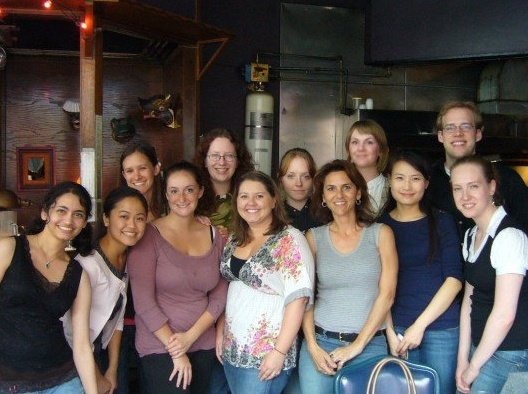
With my writing center tutors, 2005. (I’m in the gray.)

With my son knowing all, I soon found I could be more useful to my college students if they knew not only that I used to be gay but that I was in addiction recovery. Many came to office hours with problems they tearfully unfolded, trusting me to understand. I also served, I’ve learned decades later, as a role model for authenticity – sharing who I was with a powerful, open-hearted vulnerability that inspired many of them to do likewise. 

So why not go one step further?  If I could help my students by being out, why not help other alcoholic addicts I’d never meet by writing my whole story, even the parts hardest to admit? What would happen if I simply embraced beyond all personal embarrassment the fact that I am human, and therefore whatever weird, warped stuff I once did was simply what a HUMAN afflicted with my emotional problems and addiction would do? 

So I went ahead with it.  I wrote everything.

Some might consider full disclosure a form of exhibitionism: I often think of the One Republic Song “Secrets,” which deals, I believe, with the quandary of songwriters divulging through lyrics their personal struggles.

I need another story
Something to get off my chest
My life gets kinda boring
Need something that I can confess
‘Til all my sleeves are stained red
From all the truth that I’ve said
Come by it honestly I swear…
Tell me what you want to hear
Something that will light those ears
I’m sick of all the insincere…
Don’t need another perfect lie
Don’t care if critics ever jump in line
I’m gonna give all my secrets away…


I love these lyrics because they so perfectly frame the two sides of publicly sharing one’s intimate past.  On the one hand, there’s the attention-seeking caricature: Did I “confess” my story just to show off how wild and crazy I once was?  That’s the narcissistic motivation my family assumed and tried to punish. On the other hand, there’s the freedom of simply telling my truth: Can I reject the “insincere… perfect lie” we’re supposed to maintain and share my mistakes as honestly as possible, regardless of whether “critics” like my family understand?

AA hold handsAA itself is built on this oxymoron of confiding anonymously, of being open in a closeted setting. The program needs anonymity not only because every newcomer feels at first the way I did but also to preclude the rise of AA demagogues. Nevertheless, sharing our messiness openly and unsparingly is our lifeblood. The Big Book tells us “that it is only by fully disclosing ourselves and our problems” that we can connect with fellow alcoholics. The 9th step promises that “We will not regret the past nor wish to shut the door on it” as “we will see how our experience can benefit others.”  And The Family Afterward reminds us, “in God’s hands, the dark past is the greatest possession you have — the key to life and happiness for others.”

Each of us should make their own choices about how “out” to be with our recovery, but it can’t hurt to examine our motivation.  In my case, it was primarily my ego that wanted to keep the incomprehensible demoralization of my past private, and now my god-centered self that recognizes it as my greatest gift to share with those who still suffer. The longer I’m sober, the more natural it seems to simply say, “Here’s who I was, and here’s who I am. God and AA made all the difference.”


Leave a comment

Filed under AA, Anonymity, Sobriety

“Will I Ever LOVE Being Sober?”

Now and then a serious drinker, being dry at the moment says, “I don’t miss it at all. Feel better. Work better. Having a better time.” As ex-problem drinkers, we smile at such a sally. We know our friend … would give anything to take half a dozen drinks and get away with them. He will presently try the old game again, for he isn’t happy about his sobriety. He cannot picture life without alcohol. Some day he will be unable to imagine life either with alcohol or without it. Then he will know loneliness such as few do. He will be at the jumping-off place. He will wish for the end.

— Chapter 11, Alcoholics Anonymous


I hit bottom on 01/29/95.  On that day, I could no longer imagine life either with or without alcohol, and I truly wished for the end.  The August prior, I’d quit alcohol for 30 days just to show I didn’t have a problem.  I was staying in a friend’s vacant apartment because my partner had banished me from our home, having read my journal and discovered some of the sickness I’d been concealing. But oh, well.

I hung a calendar on my friend’s kitchen wall and drew a big X through each day I passed without a drink.  I felt healthier, had more energy, was cheery at work. But LOVE not drinking?  What are, you, nuts? I could hardly wait for the month to be over so I could drink again, because any life without drinking struck me as beyond dull — it would, I knew, be brash, relentless, barren, and joyless. Alcohol, I felt, was the oil in the engine of my life.

So on September 1st — cheers! — I was back at it. But by 01/29/95, much had changed.  A thick, murky self-disgust filled my consciousness; I saw no hope of ever enjoying life; and alcohol, almost inconceivably, no longer helped. There’s an explanation for what was going on at the brain level, but all I knew was that, no matter how much I drank, I felt no levity. The world had gone devoid of all color and charm; other people seemed self-sufficient judging machines. I just couldn’t deal anymore.

My idea of a fine suicide was guzzling a gallon of vodka — a scheme I knew my stomach would allow. But FIRST, because I couldn’t do it after, I dialed the number a sober friend had scrawled for me on a scrap of paper, and that night I went to my first AA meeting. I no longer gave a shit whether life was brash, relentless, barren, and joyless. All I knew was that nothing I’d tried could render it tolerable, and several people had claimed AA would.

If you’d told me then that in 25 years, sobriety would comprise the gem of my life, that I’d love my AA homegroup as my dear, motley family, and that pretty much all my friends would be in AA or NA, I’d have said, “You must be talking about somebody else.” And you would have been, because the psychic change that comes with thoroughly working the steps through several iterations over the years has transformed who I am.

What Happened?
To realize that we hold a limited perspective, I think, goes against the basic nature of human consciousness.  Our brains tell us that the world is what it is and that we’re perceiving it accurately. If there’s a problem, it must be with the world, not how we process or think about the world. 

Even at that “let’s kill ourselves ’cause it’s a good idea” rock bottom, my perspective felt both certain and precious to me. My pride was rooted in it. My attitudes and values had built up over my 34-year lifetime, crafted through countless efforts to deal with the tricks and pains of living.  I truly believed they were me.  To say they were distorted was to steal all I’d worked for.  And to say that in some outdated white-guy book and in church basements full of strangers, a better perspective could be attained — well, that was just plain shallow.

NO ONE likes to think that other people have answers we lack. If millions of sober people tell us they struggled with the god thing but it eventually became the foundation of their happiness, we feel we’re different, put up a wall, and say, “They must be simpletons.”

I’m special!

My first months without alcohol did indeed prove brash and relentless — a place where many stay stuck. Yet for me, they proved not altogether barren and joyless because I’d begun the long process of growth. Through incremental acknowledgement, over and over, I began to see that my ways kept leading me toward depression and emptiness, whereas each time I tried a little more of their way, life got better. Two years in, I worked the steps whole hog.

Rather than being brainwashed, I found I became more me — little Louisa was still in there, and she was cute and creative and love-filled, and all the things she’d been before she lost the key to life: loving from the source of god and sharing goodwill with others. Children do this without needing a reason. Yet at some point I’d changed to one who wants from others, and it nearly killed me.

I understand now that one drink will inevitably lead me to thousands, and that whenever I’m drinking, I’m cut off from god like a plant inside a box.  To drink, for me, is to wither spiritually, even if my outsides are puffed up with false revelry.

Willingness is the key.  For me, that meant relinquishing my grip on being right, knowing best, and being a smarty-pants in general, because otherwise, I stayed locked in my old perspective. And the relinquishing never ends.

Today, when I say I love my sobriety, what I’m really saying is that I love this life — its fleeting beauties, its inevitable struggles, its poignant fragility. Sobriety is the honesty that lets me behold it.


5 Comments

Filed under God, Happiness, living sober, Recovery, Sobriety, Spirituality