
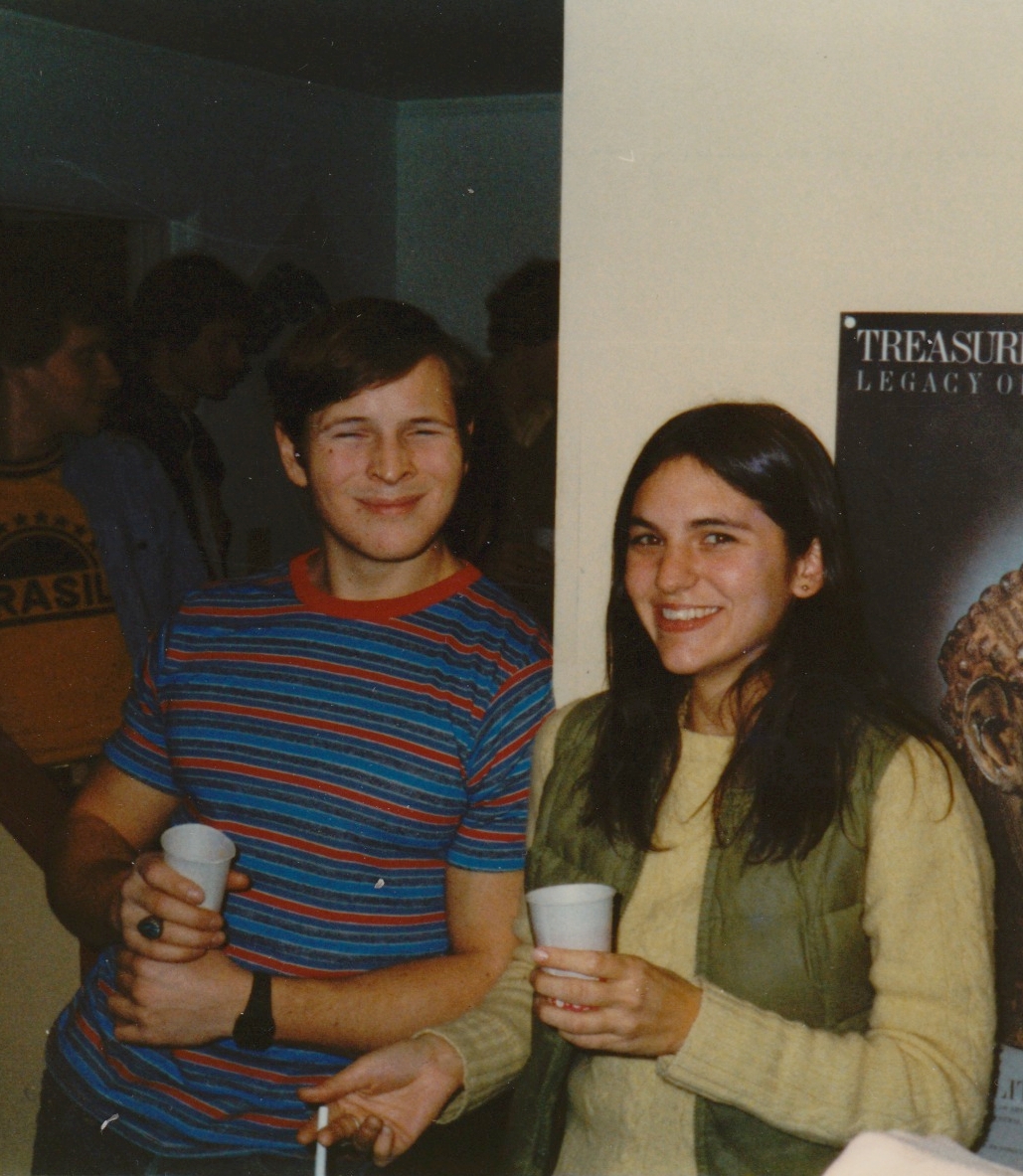
Yes, alcoholism is a horrible disease that slowly destroyed everything good in my life. Even so, if you’re a sober alcoholic, you’ll understand when I say, man, I didn’t just drink — I mean, I DRANK! I was damn good at it. I remember a time in college when my boyfriend bet a big guy $20 that I, at 5’4″ and ballet dancer thin, could drink his ass under the table. Faintly I can still recall the look of disbelief on the guy’s face across the table when, in front of a crowd of onlookers, I asked for another pint — maybe my fourth? — before he could finish his. Hungover as I was the next morning, when I learned I’d won, I felt huge pride. I’d kicked some ass.
Fourteen alcoholic years later, after I’d lost the ability to write well, read or think deeply, marvel at beauty, or love anyone or anything in the world besides my next drink (or hit), some of that pride still bolstered my identity. So when I got sober, alcohol’s absence left a huge void in my psyche, not only in terms of how to cope with life or what to do with all the time I once spent “partying” — it also ran deeper, a confusion about who Louisa was and what drove her.
I had to learn to live for something other than alcohol. I had to discover who I could be.
Yesterday, I returned home from a ten-day adventure with five friends in Colorado and Utah. We rode our mountain bikes 220 miles from Telluride, CO, through the San Juan and La Sal ranges of the Rocky Mountains, to Moab, UT. The trip was intense, to say the least. We climbed and lost an average of 2,500 feet per day over 30-mile stretches, exerting our muscles with little oxygen at elevations of 8 – 10 thousand feet, and not on pavement, but often on rutted, rain-eroded rocky roads and sometimes single track trails in the backcountry. We each carried around 30 lbs of gear.
The aspens were just turning color. The weather was ideal. We progressed along a route among well-stocked huts where we cooked great meals and slept in bunk beds. I’d trained for the trip by climbing lots of steep hills in Seattle. But climbing at sea level is nothing to climbing at altitude.
Breathing as hard as I could, countless times I rounded a corner or crested a rise only to see a huge, steep, relentless hill in front of me. Each time I’d feel an irrational surge of anger at the nerve of this route, to demand I find even more strength. A few times, I and the others had to dismount and push our bikes, but more often than not I’d drop to low gear, breathe my hardest, and inch my way up that frickin’ hill until there was no more to climb. At last I could could crest, pedal a few more times, and then sit back and fly down the other side, wind roaring in my ears and cooling my sweat, gorgeous walls of yellow aspens flying past on either side at some parts, and at others open vistas of steely mountains or red mesas rolling under the brilliant blue sky.


Me on the left 
Bumpy video from my phone holder here.
Five other sober alcoholics made this trip with me, the youngest 49 and the oldest, me, at 61. This was my first mountain biking experience, but the others had skills and often tackled single-track routes filled with mad turns and rocks and roots and streams to cross.
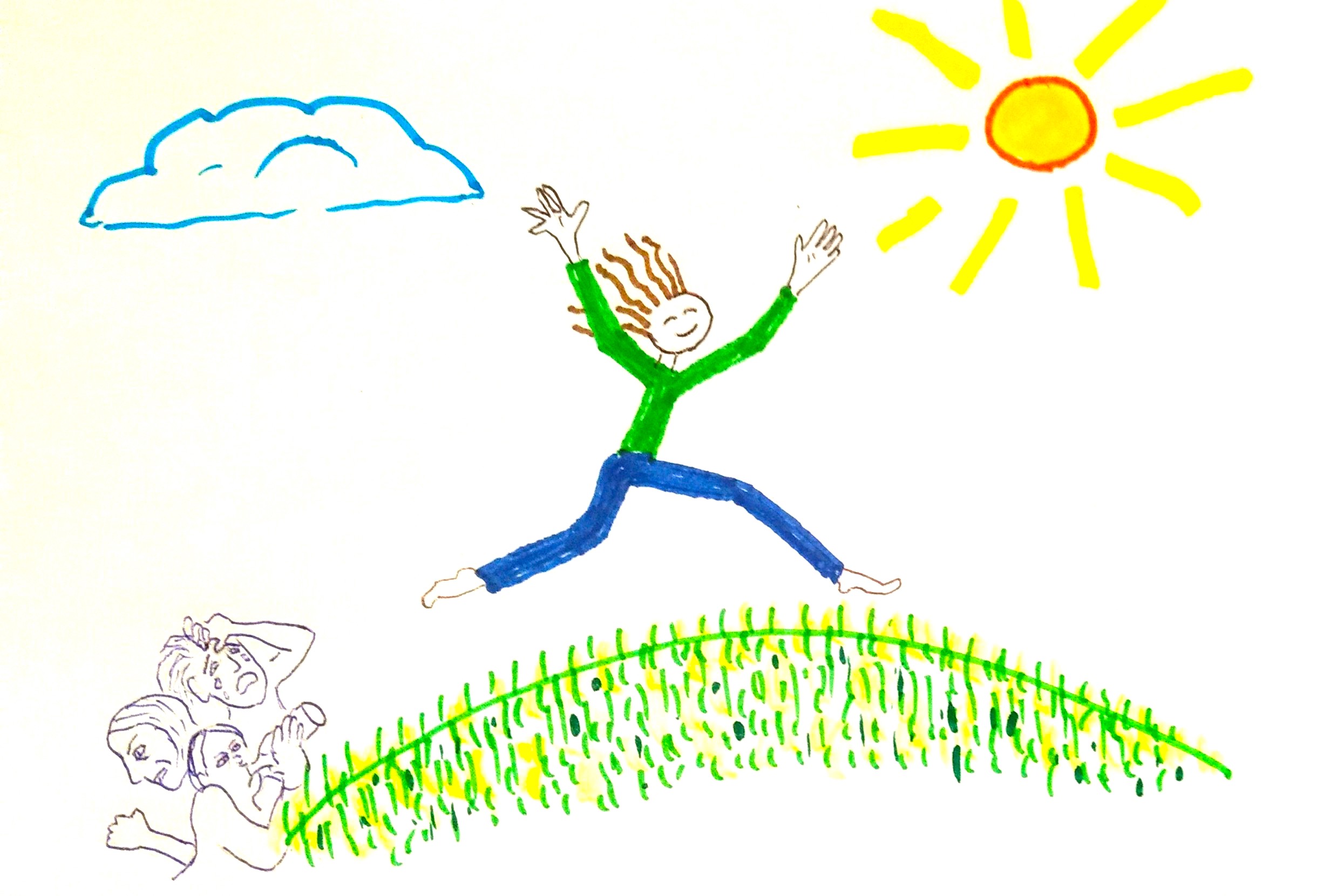
Some, like my mom, might call us thrill seekers. But what we’re actually seeking is the experience of living fully, connected not only to nature’s splendor but to our physical bodies and the determination at our cores. We want to thrive, to challenge ourselves, to carpe the damn diem. For whatever reasons, we are HUNGRY for life in a way no day-to-day humdrum walk in the park can satisfy. We chase our passions.
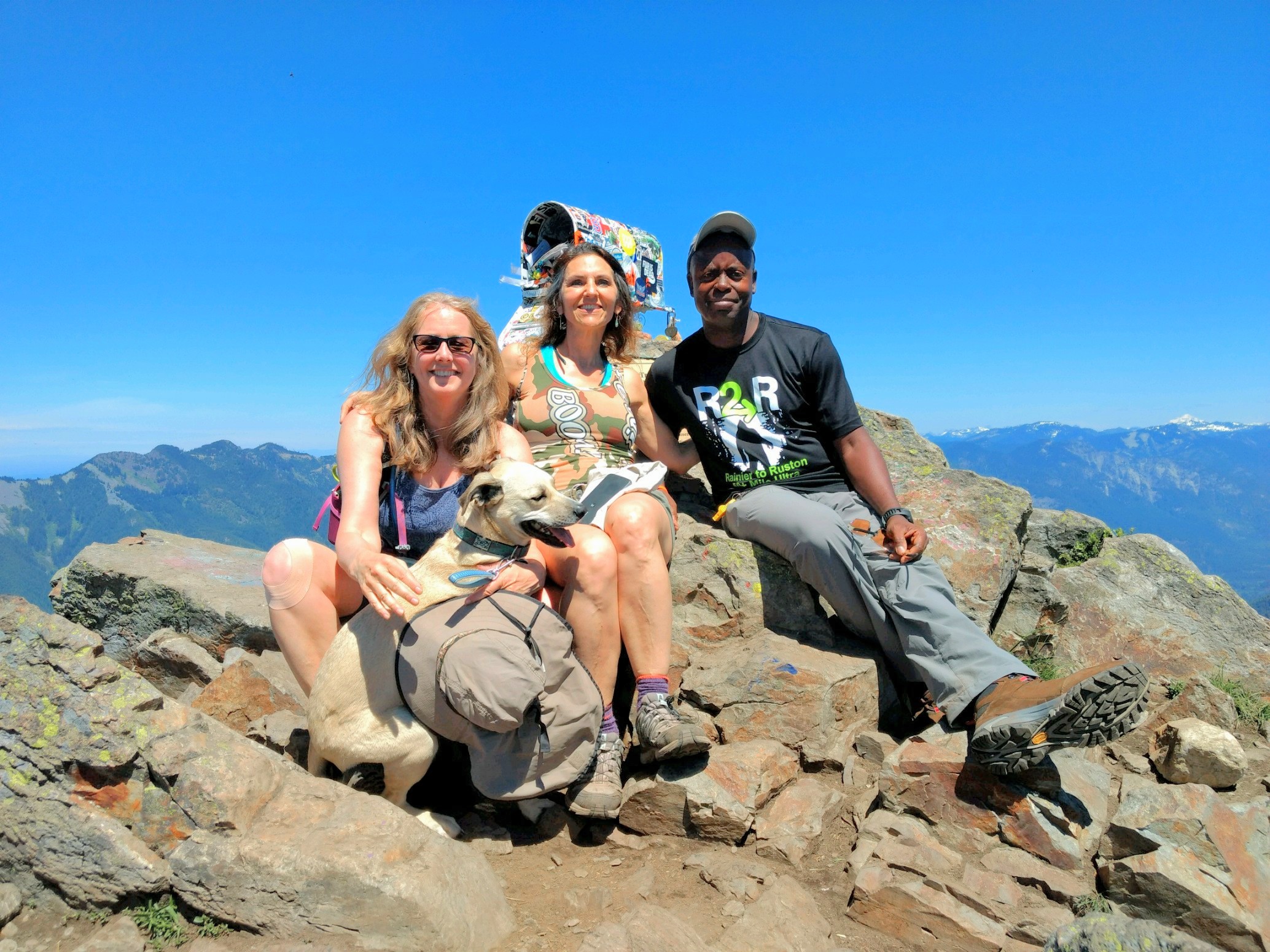
It’s my belief that, once we get sober, each of us must find and cultivate some passion that can fill the void left by chasing the buzz, chasing the high, chasing the illusion of cool. We have to embrace something that we love as much as we loved getting wasted, or actually more so, because it’s an activity that feeds us rather than poisoning us. I’m lucky to live in Seattle, where we have a sober outdoor activities group called OSAT — One Step At a Time. We alcoholics hike, mountain climb, rock climb, kayak, and bike together, all of us sober. OSAT is where I met my biking friends — all except one, who got sober on her own.
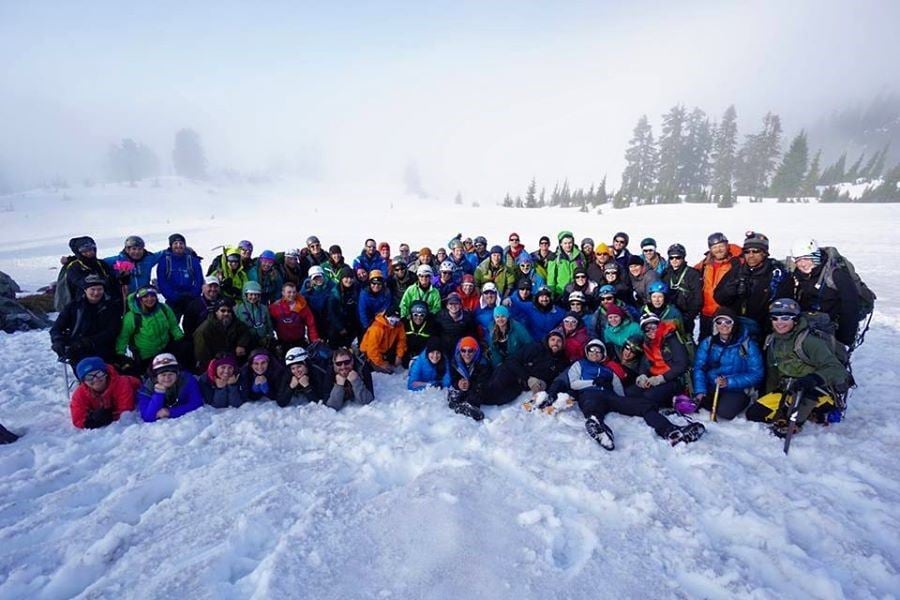
But you, too, can create something like OSAT in your town, something centered on whatever activity you love. You and your sober fellows can do far more together than gather for AA meetings or fellowship. You can meet to sculpt and paint, to write and critique, to play or go see sports — an all-sober club. You can create a fellowship around whatever passion illuminates your life. All you have to do is reach out and organize.
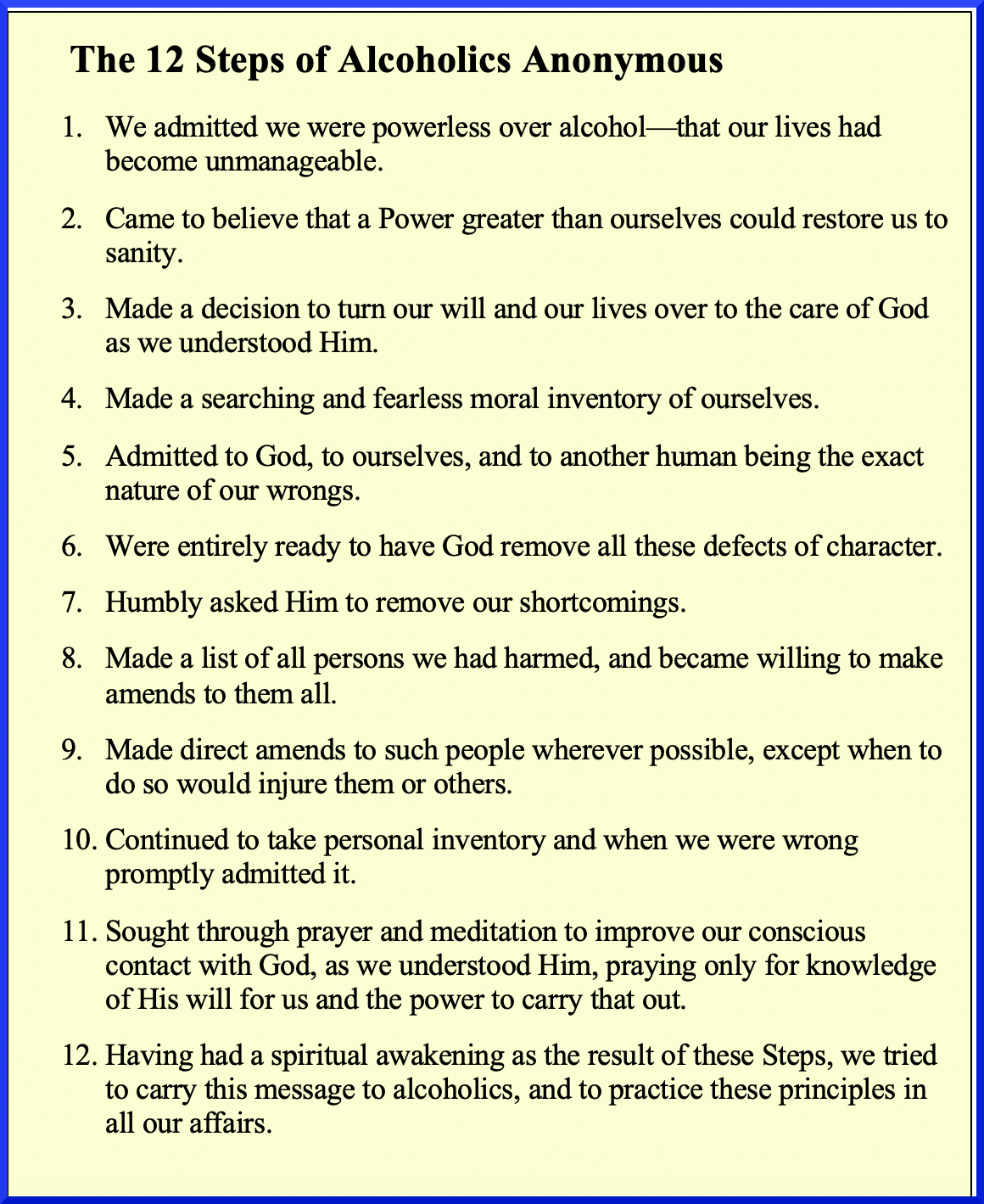
Remember in “A Vision For You” where the text reads,
Little clusters of twos and threes and fives of us have sprung up in other communities… Thus we grow. And so can you, though you be but one [person] with this book in your hand. We know what you are thinking. You are saying to yourself, “I’m jittery and alone. I couldn’t do that.” But you can. You forget that you have just now tapped a source of power much greater than yourself. To duplicate, with this backing, what we have accomplished is only a matter of willingness, patience, and labor. [p. 162-3]
The same goes for starting any AA-based group that does whatever you love to do — sober peeps to cheer you on as you work at whatever you love; sober people to skate with you, weld with you, check out art with you. Remember, the main cause and symptom of addiction is not substance abuse; it’s isolation — being cut off from the whole, from community, from the the oneness of which we are a spiritually interconnected part.
Joy rarely blooms in lonely solitude. And the joy I found with my friends in the gorgeous Rocky Mountains didn’t just happen! It evolved slowly, all of us building friendships in sobriety with people who love the same things, daring to propose an outrageous adventure, and planning for it step by step.
There’s nothing to stop you from doing the same!

NOT a church basement! 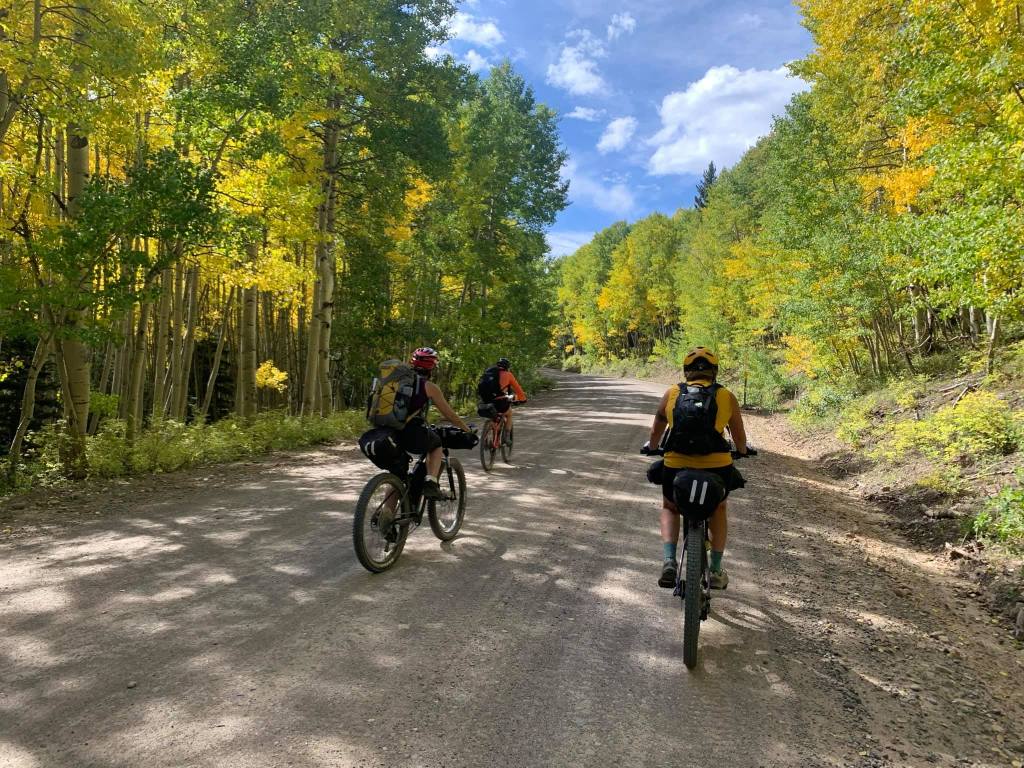
The joy of living we really have

 I passed without a drink. I felt healthier, had more energy, was cheery at work. But LOVE not drinking? What are, you, nuts? I could hardly wait for the month to be over so I could drink again, because any life without drinking struck me as beyond dull — it would, I knew, be brash, relentless, barren, and joyless. Alcohol, I felt, was the oil in the engine of my life.




 What does relationship addiction look like? Like all addictions, at its deepest foundation lies fear. Fear of missing out on the playful bantering and sizzling sex married folks enjoy for decades (right?). Fear of not being enough. Of getting old alone. Of being discounted somehow as a failure because you never “found somebody.”




 Some people are possessed by greed. I recently talked with a young man who “lived

 To the writer of this letter, the fact that she was even daring to contact this person and acknowledge that she struggled with emotional issues seemed an amends. I know because 24 years ago, just a few months into sobriety, I sent an identically selfish letter to someone I’d hurt in much the same way.
 Here’s one of the deadliest afflictions known to humans, killing 6% of the global population every year (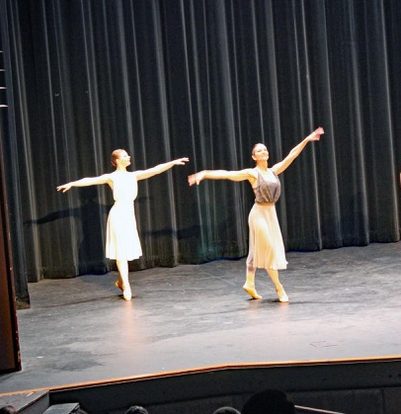



 alprazolam (Xanax) are doing just that. One, a former drug and alcohol counselor, is a ghost of his former self, with hollowed-out eyes and tales of demons. The other, who landed his dream life — wife, kids, big house in the burbs — became addicted to anti-anxiety meds prescribed for his stress over huge mortgage and daycare payments.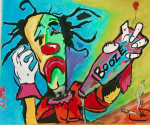
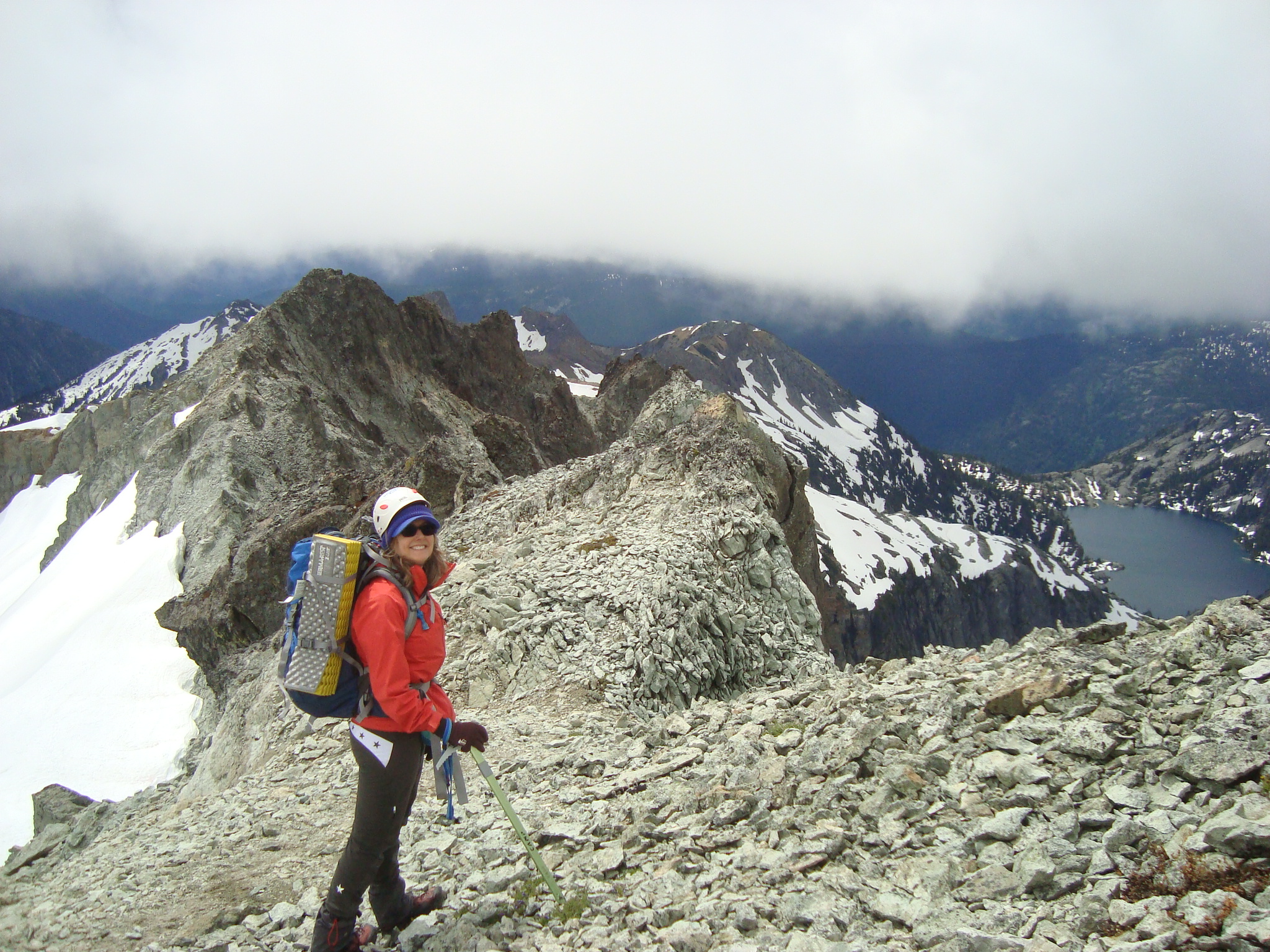
 somebody else. Sobriety’s granted me huge gifts: I’m performing in two ballet recitals this spring and climbing three glaciated mountains this summer, so my life is full. My home, health, work, son, and friendships are all good.

 . Yet god is never into shame or martyrdom. “Oh, I’m such a piece of shit!” or “Gee, I’m such a saint!” both stem from ego, from preoccupation with self. God wants us only to do our best, share our gifts, love freely. Beating ourselves up or codependently pouring energy into toxic people to wheedle self-worth — these ain’t about blooming.


 A Spiritual Evolution