Yes, the brains of alcoholics and addicts are indeed broken. We can resolve not to do the thing, we can mean it with every fiber of our being, and then — BOOM! — we’re doing it: we’re getting drunk, popping pills, acting out, smoking whatever we meant not to. “Did I do it AGAIN? Dammit! Well, just this one last time…”
Of the 14 years I drank to excess, I spent the first 2 college years content with my frequent bouts. For the last 12, however, I was caught in this cycle:
Step A: WAKE feeling like absolute shit.
Step B: RESOLVE to not drink (or whatever you do) for X amount of time.
Step C: DETOXIFY just a little, feel less shame/guilt
Step D: Imagine as a FINE IDEA yourself enjoying a lovely cocktail or single cold beer (or whatever)
Step E: PICK UP a drink (or whatever)… and soon decide to have more, and more, and more…
Revisit Step A with just a skosh more shame, remorse, and self-disgust.

I rehashed this cycle literally thousands of times. THOUSANDS. And every time I reached Step D, I convinced myself this time I’d manage better. To grasp that it’s not our true selves but our addiction itself compelling this “choice” seems pretty extreme, almost like a split personality. Aren’t we the masters of our own behavior?
In fact, we are NOT. Addiction overrides even the most heartfelt resolve.
Last November, I woke in the night to find my house full of smoke. I dashed down from the attic, where I sleep, to the basement, which I rent out, and pounded on the door. My new tenant, the 29-year-old half-brother of a friend, opened it. Winnie — his nickname — was calmly cooking, the whole apartment opaque with smoke.
“What happened?!” I said.
“Oh, there was something on the burner.” He gazed at me with beautiful, innocent eyes.
When I objected that my home was full of smoke, he corrected himself: There’d been some spilled food in the drip pan. He just hadn’t seen it. He was so sorry. It took about a month for me to arrange a mini-intervention with Winnie’s mom, who lives in Florida, via video on my phone, much to Winnie’s shock and horror. “Sweetheart, do you want to live or die?” she asked him point blank. To my astonishment, Winnie wept. He nodded, wiping tears and struggling to contain his sobs. “I want to live,” he managed.
He brought from his room a bottle of benzos. Since abrupt withdrawal from such drugs can be fatal, Winnie agreed to inpatient treatment, and I began the process of finding him a bed. About a week later, in the midst of cooking French toast, he suffered a seizure. With the basement door open, my son somehow heard his head hit the concrete floor. I burst in, found him convulsing without breath, and dialed 911. By following the dispatcher’s instructions to prevent his suffocation, my son and I both got potentially exposed to COVID-19 before the paramedics arrived. My son said the first thing Winnie did when he recognized his surroundings was sit up and switch off the French toast.
I rented him a storage unit, and on a Saturday while he stayed in a hotel that his mother paid for, Winnie’s half-brother, my son, and I transported all his belongings. Only months later, when he’d finished treatment and came by to pick up the storage unit key, did I understand that Winnie was going to die — and soon. He was surly, even as he uttered polite thank you’s.
Last week I got the news: Winnie’s father found him dead in the bathroom with a syringe still in hand. He’d just turned 30.
DIVINE RESCUE is a partnership.
How did I know Winnie would die? It was his energy. He gave off a vibe of “I’ve done what everyone wanted; now I’ve got this.” He did not look at me, really. He had no interest in seeing me, in seeing anyone. Spiritually, he was still at a Cartmanesque ground zero: “I do what I want!”
He had not absorbed in treatment what I somehow began to pick up in my first AA meetings, what working the 12 steps in conjunction with life pulling me through pain, loss, and joy has taught me: of myself, I am nothing.
God can help us only when we pry open our armor, cast off our god-repulsing sheath of self-sufficiency. We open in two ways: 1) by asking for god’s loving, compassionate help and 2) by regarding other living things with that same loving compassion. Once we begin to intuit that god is within us, animating our cells and fueling our very consciousness, we begin to realize that we are no more separate from god than a plant is from the Earth.
Addiction is the almost inevitable outcome of attempting to live as a picked flower. Without connection to god, we languish and grasp for quick fixes, even knowing they’re poison. In truth we are designed to absorb love from god and radiate it to others; once we make practicing this way of life paramount, addiction loses its luring power. We become immune.
Remember: “What we really have a daily reprieve contingent on the maintenance of our spiritual condition. Every day is a day when we must carry the vision of God’s will into all of our activities” (85).
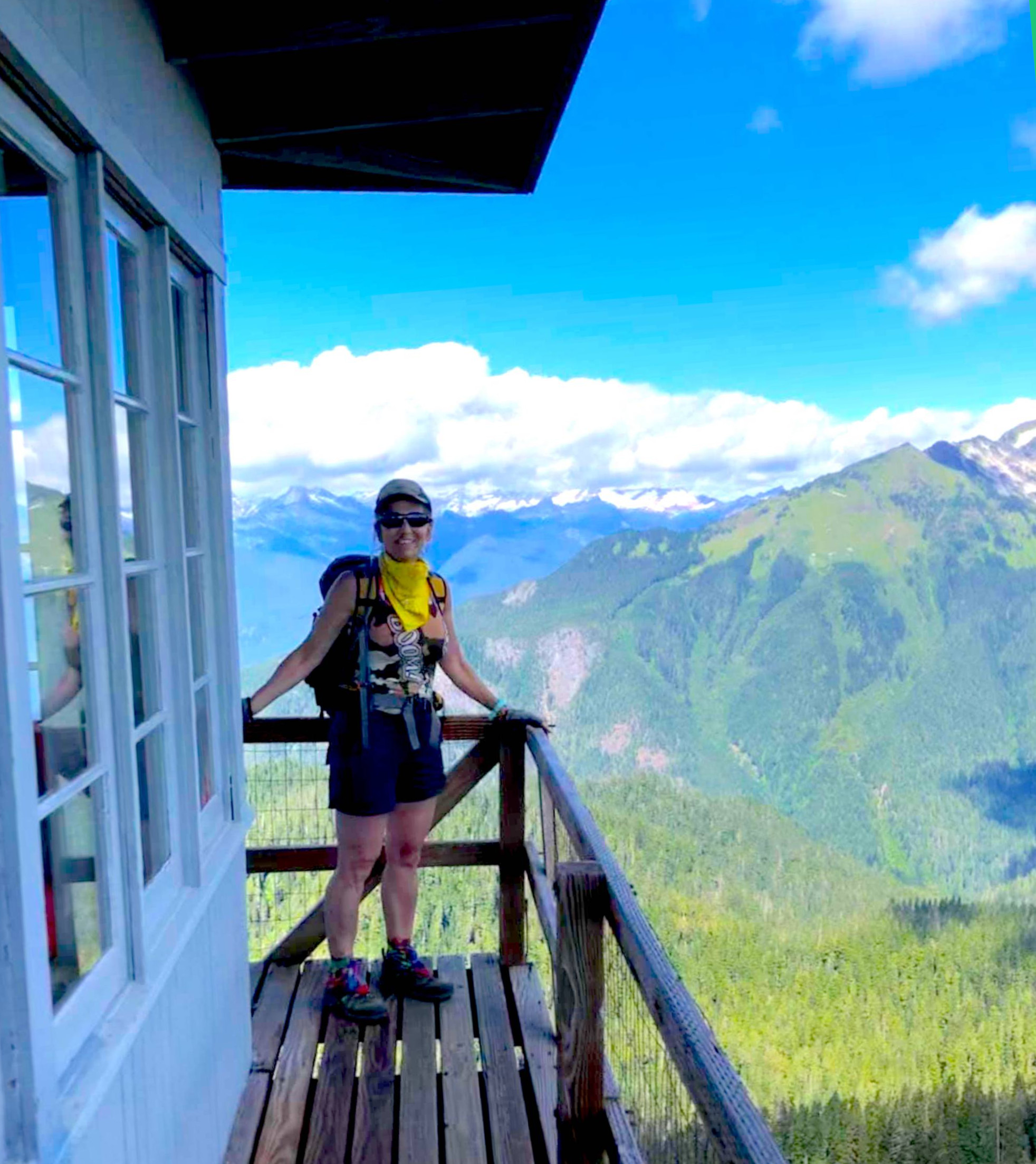
For me, carrying that vision led me last week to hike over 100 miles in the mountains of Northern California (despite the threat of fires), where I connected not only with glorious nature but with countless wholehearted PCT hikers coming the other way. It led me to return to my AA home group in person this past Friday and take joy in seeing my fellows again after a year and a half.
I remember trying to articulate this way of life to Winnie just before he left for treatment. Our RING camera actually recorded my urging voice and his impatient acknowledgements. The enormous gift I cannot give to others is my unshakeable understanding that meeting weekly with those neighborhood ex-drunks to contemplate yet again the themes from our hokey 1939 book is indeed what channels me the god-power to love others and savor life’s far-reaching beauties.

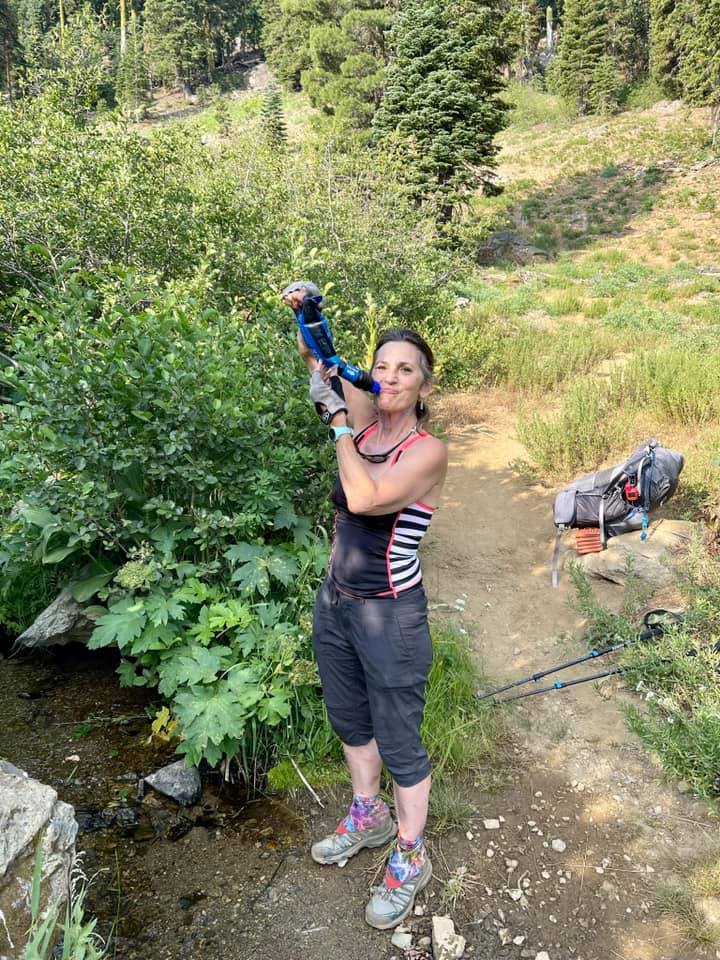

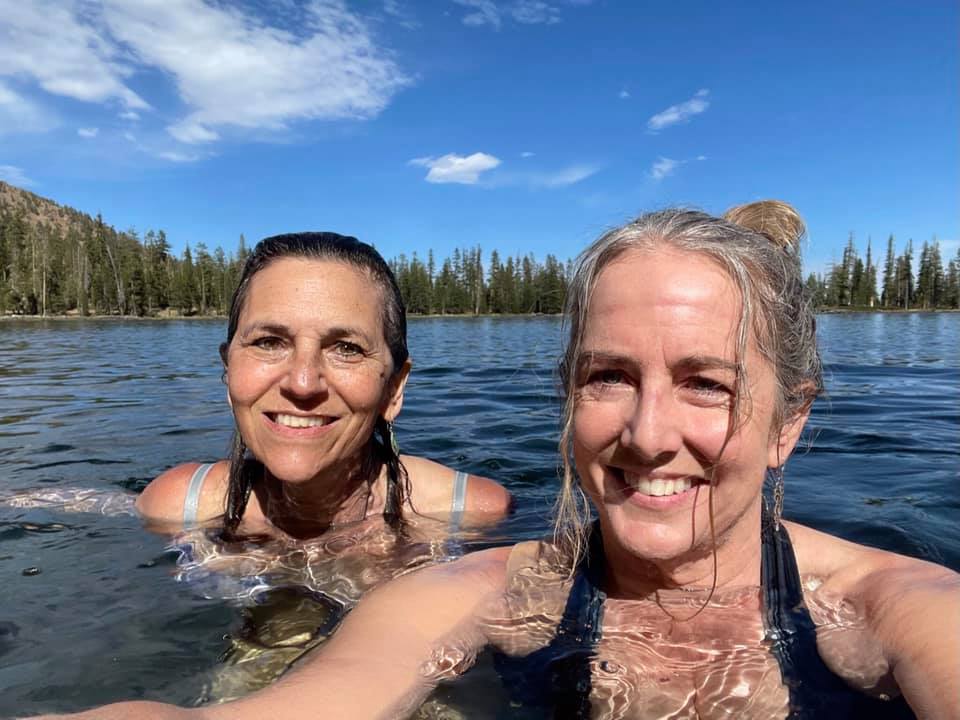
Video of our hike: https://youtu.be/m-d-LWGA21Y


 AA itself is built on this oxymoron of confiding anonymously, of being open in a closeted setting. The program needs anonymity not only because every newcomer feels at first the way I did but also to preclude the rise of AA demagogues. Nevertheless, sharing our messiness openly and unsparingly is our lifeblood. The Big Book tells us “that it is only by fully disclosing ourselves and our problems” that we can connect with fellow alcoholics. The 9th step promises that “We will not regret the past nor wish to shut the door on it” as “we will see how our experience can benefit others.” And The Family Afterward reminds us, “in God’s hands, the dark past is the greatest possession you have — the key to life and happiness for others.”





 practice it for a lifetime, amassing just enough proof of their superiority to get the satisfaction they need. Still, they’re constantly hungry for more. Each time they judge, they get a little boost of feeling smarter! If they pronounce that judgement, they savor a sense of wielding power, that their words can zing like handy little thunderbolts. Life, for them, is a vast swamp where they have to keep constantly stepping on the backs of less-thans to stay afloat themselves.


 but refusing to accept that fact. Denial is, however, a
  For example, two of my relatives drank hard for over a decade. This couple worked so hard and lived at such a frenetic, globe-trotting pace that they simply could not wind down without cocktails. When staying for a visit, they would put away a gallon of vodka in a matter of days. More than once they announced they were going “on the wagon,” only to be drinking hard again in a few months. They were gradually gaining weight, their faces often flushed and bloated. I suspected alcoholism.
 by the age of 23. My few friends had cut back on drinking post-college, so I tried to as well — except when I didn’t! Yes, I made resolutions to drink less, not just at New Years but ANY time I was ghastly hungover (i.e. most mornings) — resolutions I was able to stand by for a good 5 hours! After that, a drink began to sound, for the zillionth time, like a good idea. So I “changed my mind” and drank.
 I passed without a drink. I felt healthier, had more energy, was cheery at work. But LOVE not drinking? What are, you, nuts? I could hardly wait for the month to be over so I could drink again, because any life without drinking struck me as beyond dull — it would, I knew, be brash, relentless, barren, and joyless. Alcohol, I felt, was the oil in the engine of my life.




 and the rest, many newly sober alcoholics can’t silence the part that tells them a drink would make everything better. In my case, god somehow struck that voice with laryngitis about 24 years ago, so the best it can do is a hoarse whisper: A drink would be nice! To me, that suggestion sounds about as believable as Arsenic would be nice! Putting your hand down the sink’s garbage disposal would be nice! Actually, I don’t have a garbage disposal, but if I did, the prospect of drinking would appeal to me about as much.
 I tried super hard to find happiness outside myself. If I could just get with the right people, afford the right stuff, and be seen in the right places, with just the right amount of a buzz or high, I’d clinch it! But all I did was fuck up my life — and others’.