
I remember seeing cigarette commercials on TV and filling the pages of magazines, campaigns and jingles pushing a story about the kind of people who smoked their brand. Sexy, fun-loving, country-hearted, independent-minded, or, in the case of the Marlboro man, hyper-masculine loners — all of them could discern a truly superior smoke.
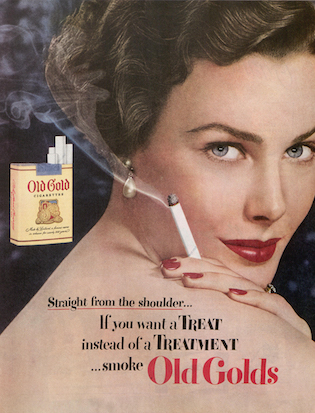
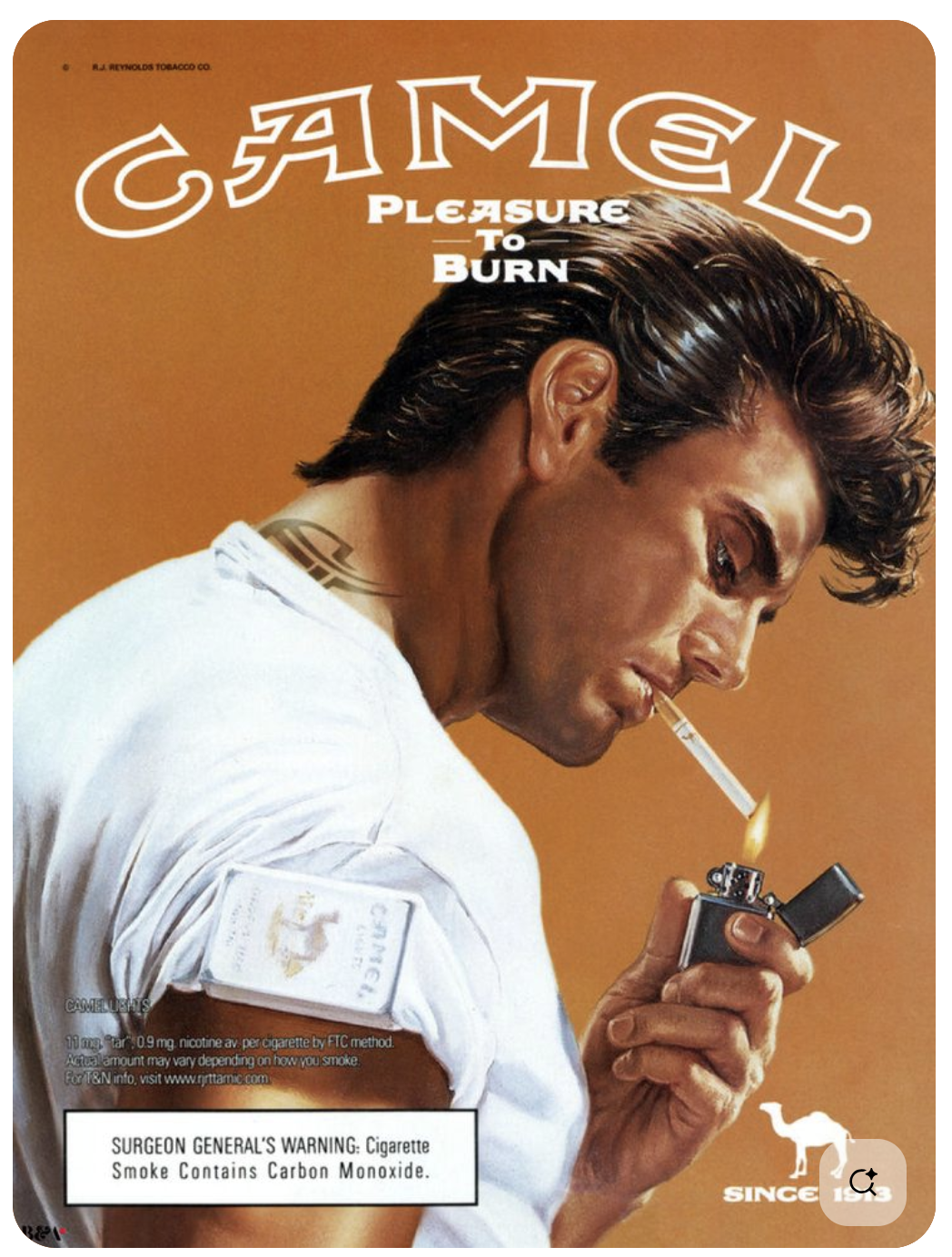
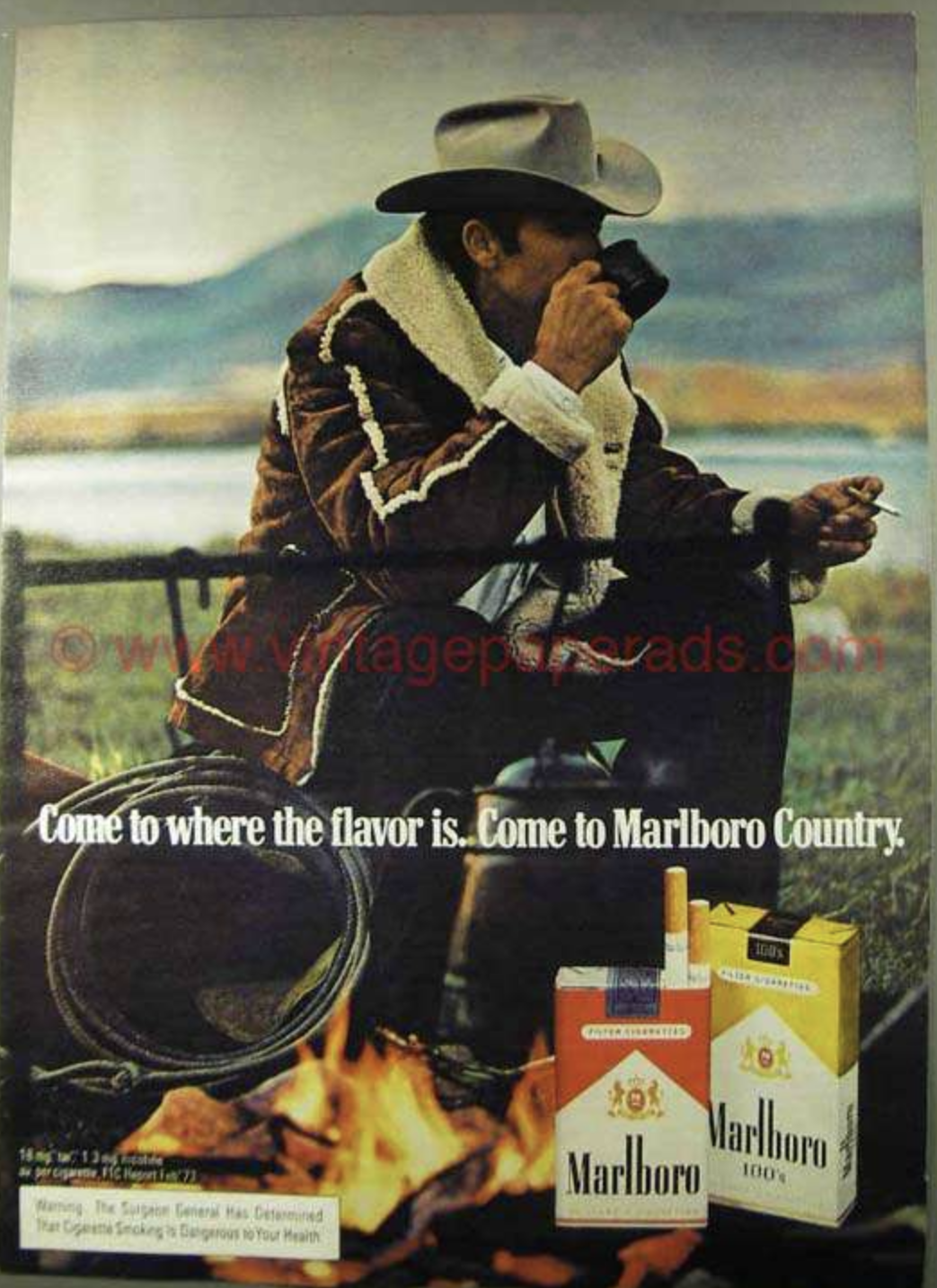
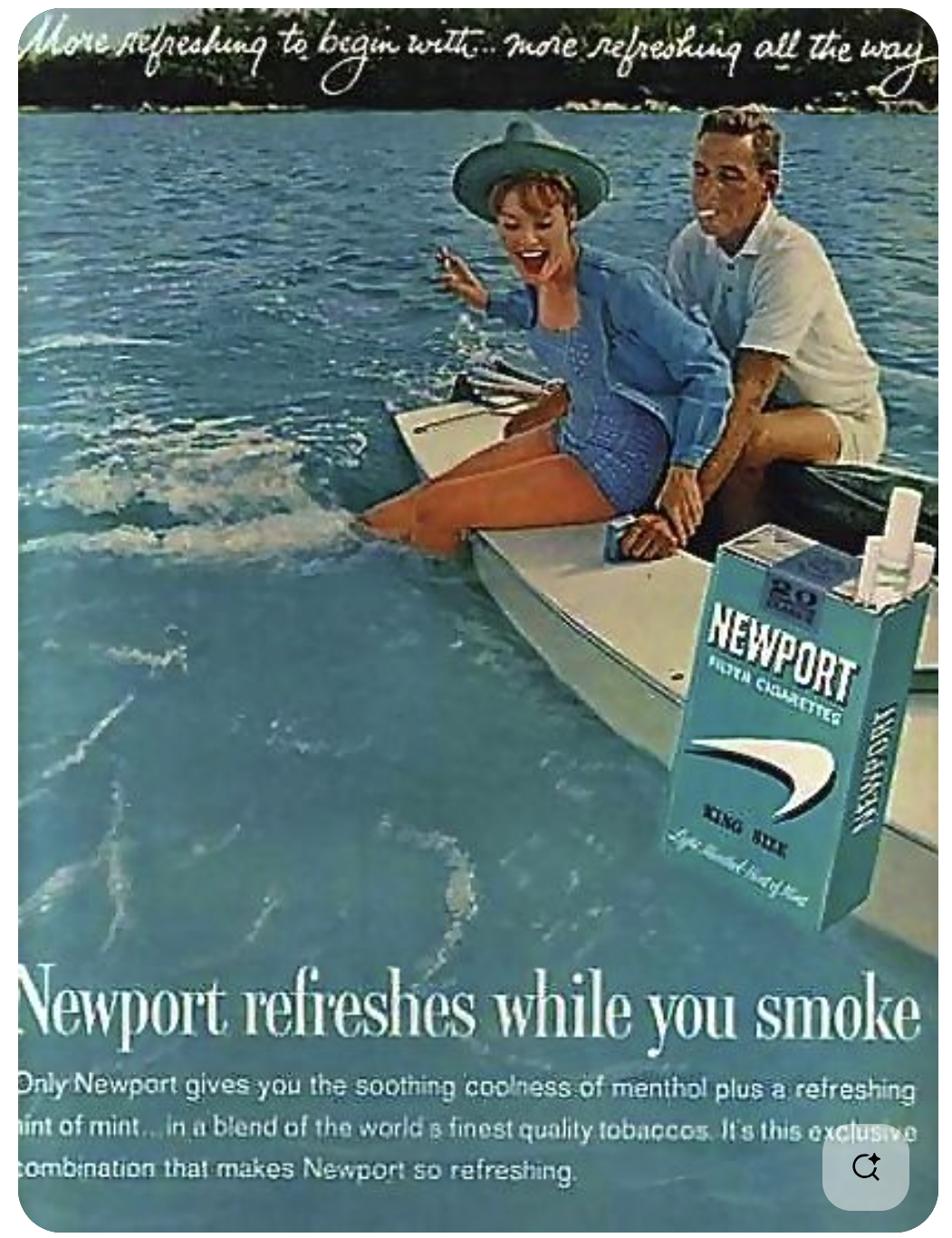
Do you know what these people weren’t? Living organisms fueled by oxygen that was constantly diffused into their bloodstreams through the 0.001 millimeter-thin linings of countless tiny capillaries in their lungs. Drawing nonchalantly on white cylinders, these smokers were cool; none cared a hoot about their 1,400 square feet of lung surface getting sullied and destroyed by toxic, carcinogenic smoke inhalation.
In the 1960s, over 40% of Americans were smokers, as compared to 14% today. Proof of harm has won out over smoking’s romanticized images. Similarly, in the 1970s, 71% of Americans drank. Today, the number is 54%, with 66% of young adults aware that moderate drinking harms one’s health.
Can you see where I’m going with this? Alcohol is following in the footsteps of cigarettes. It’ll take longer and never be 100%, but the days when the general public overlooks the carcinogenic, dementia-inducing, liver-killing properties of this poison in order to “take the edge off” or “whoop it up” are numbered.
I started smoking when I was 17, the same age I discovered drinking to blackout. Each habit in its own way seemed to save me from the awkward pain of being me — an insecure, shame-filled, not-good-enough teen. While a lot of that relief was neurochemical, more of it came from the stories I connected to smoking and drinking. Like a costume or special effects make-up, they made me a tough, devil-may-care, gutsy young woman ready to live on the wild side, or a svelte, sophisticated siren able to charm and impress just about anyone — depending on the setting.
All I had to do was suck stuff down my windpipe and esophagus respectively, and all those glamorous, romantic traits became mine! That is, until my 30s when both quit working. In the end, smoking was automatic, and I felt like a dumb loser just as much drunk as sober.
It took 17 years for me to truly hit bottom with drinking, and another 2 years to quit smoking. I knew I had let both go, and yet in those first few years, I mourned them as lost vices, lost friends, lost indulgences.
I would not have believed – nor do I expect you to if you’re newly sober – that one day I would have zero interest in either. I wish I could drink about as much as I wish I could sniff glue. I long to smoke pot about as much as I long to get Alzheimers. In fact, if I had to choose between hanging with some drunk/stoned people and finding myself in a 4-person bobsled at 80 mph, the choice would be difficult — and only because I suffer from chronic vertigo.
I know a few recovering alcoholics who still envy friends and neighbors who drink. I can’t help but doubt they’ve been fully restored to sanity. How can they imagine booze would grant them ease and comfort, make them more fun, enrich their experience? Today, if someone offered me a pill or injection that would let me drink “normally,” I would laugh. I’d ask, “What’s ‘normal’ about swallowing a carcinogenic, dementia-inducing, liver-killing poison to diminish your level of awareness – in any amount?”
My newly sober self would’ve been pissed to hear this, but today it’s THE 12 STEPS that grant me the ease and comfort of trust in god, my LOVE for self and others that make me more spontaneous and fun, and GRATITUDE that enriches my everyday experience. I’ve traded my once rampant anxiety for the first line of the serenity prayer (serenity to accept the things I cannot change) and the itch of discontent for its second line (courage to change the things I can) because living in the 12 steps has taught me enough of the third line (wisdom to know the difference) to just “relax and take it easy” [p. 86].
A 2024 study found that, in the U.S., more people are using cannabis and THC-infused products daily than are drinking daily. As pot has edged out booze, violent crime rates have been falling, as drinking has long been associated with increased aggression.
Marijuana, however, is no angel drug:
Daily marijuana use raises the risk of stroke by 42% and heart attack by 25%, even if there is no prior history of heart disease and the person has never smoked or vaped tobacco, according to a February 2024 study.
Weed has also been linked to cardiac arrhythmias such as atrial fibrillation; myocarditis, which is an inflammation of the heart muscle; spasms of the heart’s arteries and a higher risk of heart failure.
By using cannabis before the age of 25, young people can permanently damage their brains… [CNN]
But here’s the biggest difference, I think, between alcohol and pot: Alcohol has been around for so long that it’s deeply ingrained throughout our culture. It’s a substance infused with romantic STORIES of elegance, connoisseurship, rugged individualism, celebration, and romance.
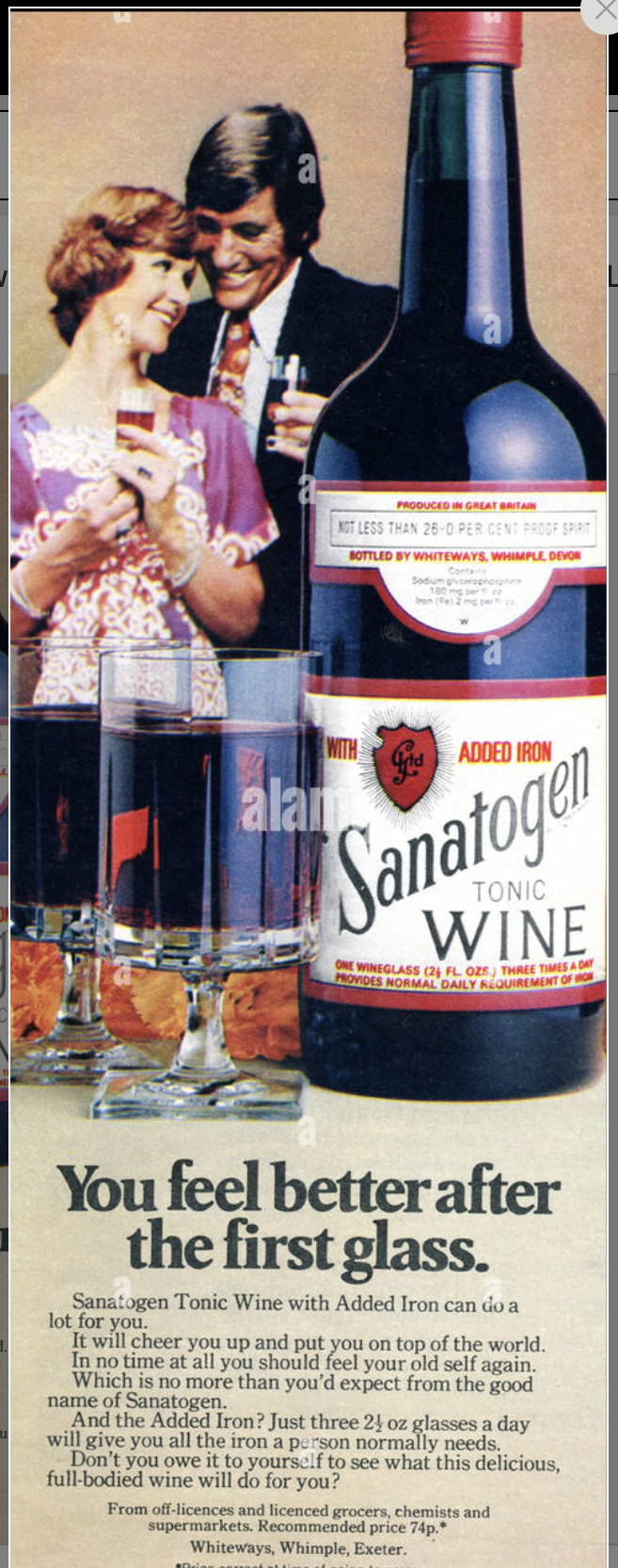
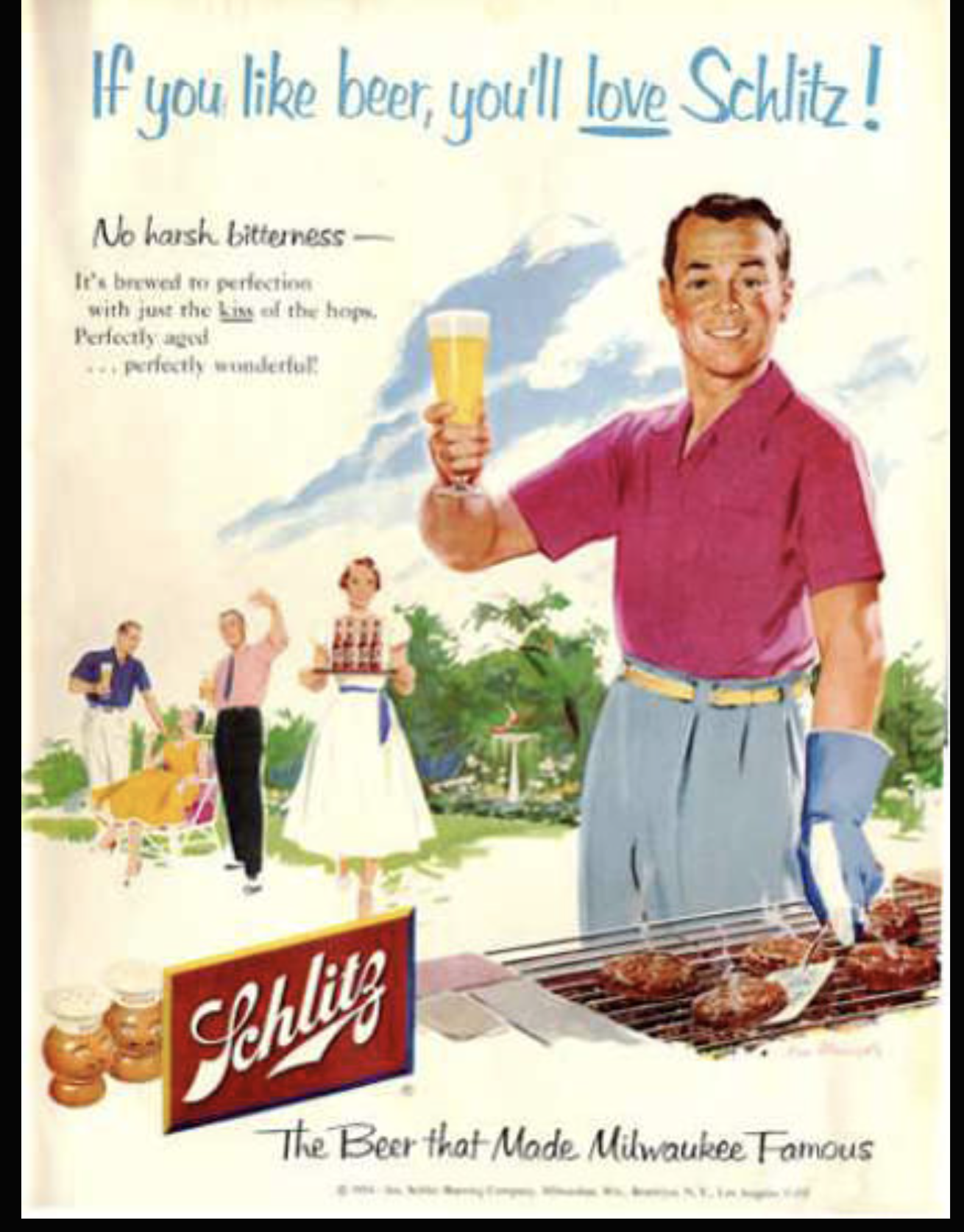
You can plainly see these stories in advertisements no different than the cigarette commercials. Wine “complements” a meal; beer “belongs” at a barbecue; scotch and brandy are “savored” by an evening fire. Pot has no comparable mystique. When people pop a gummy or take a bong hit, they know they’re self-medicating. They don’t pretend the point is instead to enjoy great flavor or cool refreshment or proud, elegant traditions. They’re just straight up chasing a buzz.
Working the 12 steps frees us from the psychic pain that calls for a buzz to vanquish it. And seeing alcohol for what it is – a toxic drug no matter what form it takes – frees us from buying into the stories that glamorize it and convince us that, without alcohol, our lives are missing something. They’re not. Quite the contrary, being truly awake in sobriety opens the door to a richer, fuller, happier life than any neurotoxin – whether in liquid, smoke, or gummy form – can offer.
Yes, life is hard, like a series of hurdles. But every hurdle can inspire us to fly, just for a bit, boosted by the god in our hearts. The more aware we are, the more spring and strength enliven our every leap of faith.

No Amount of Alcohol Safe for the Brain


 A Spiritual Evolution